

BPO (Business Process Outsourcing)
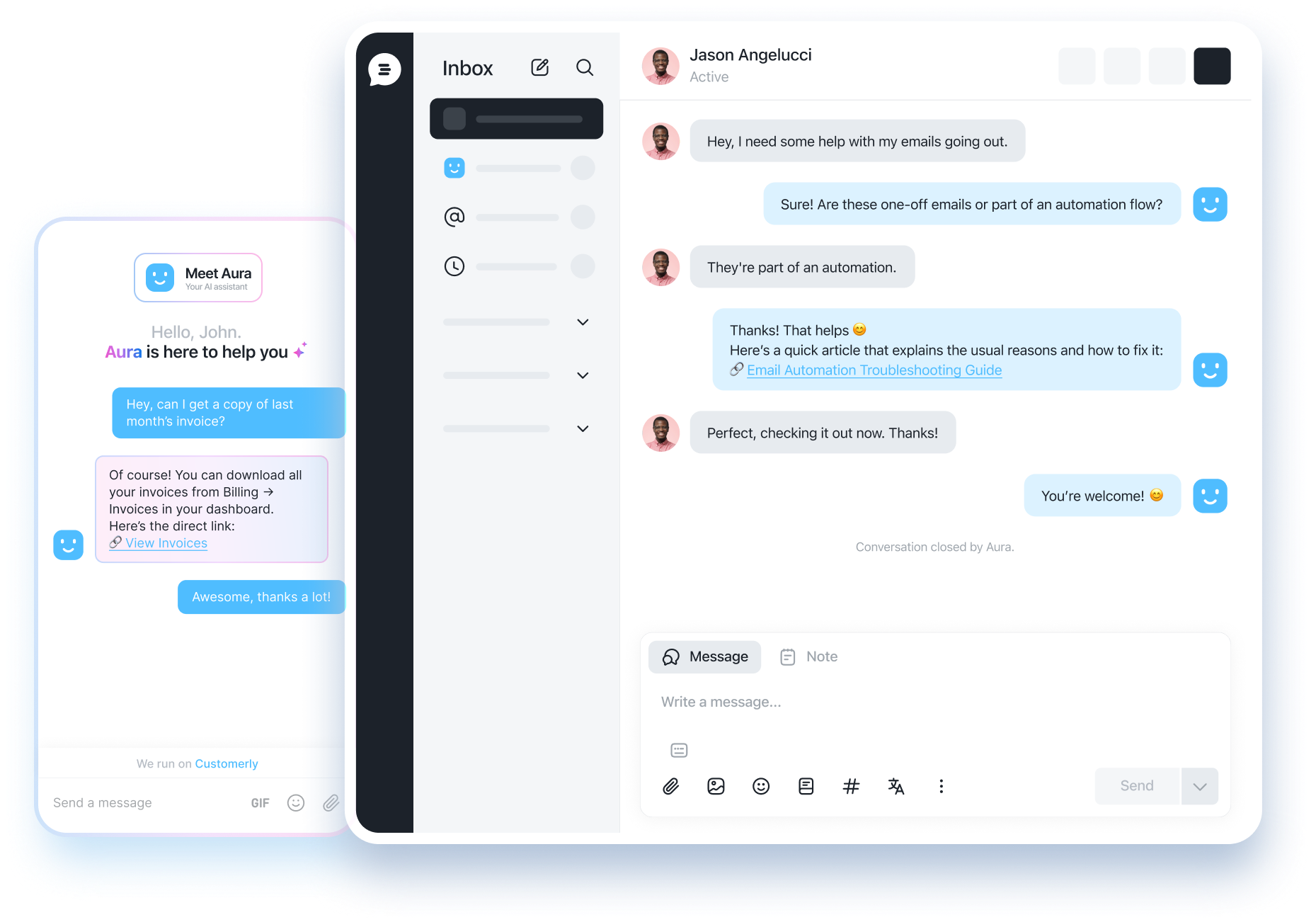
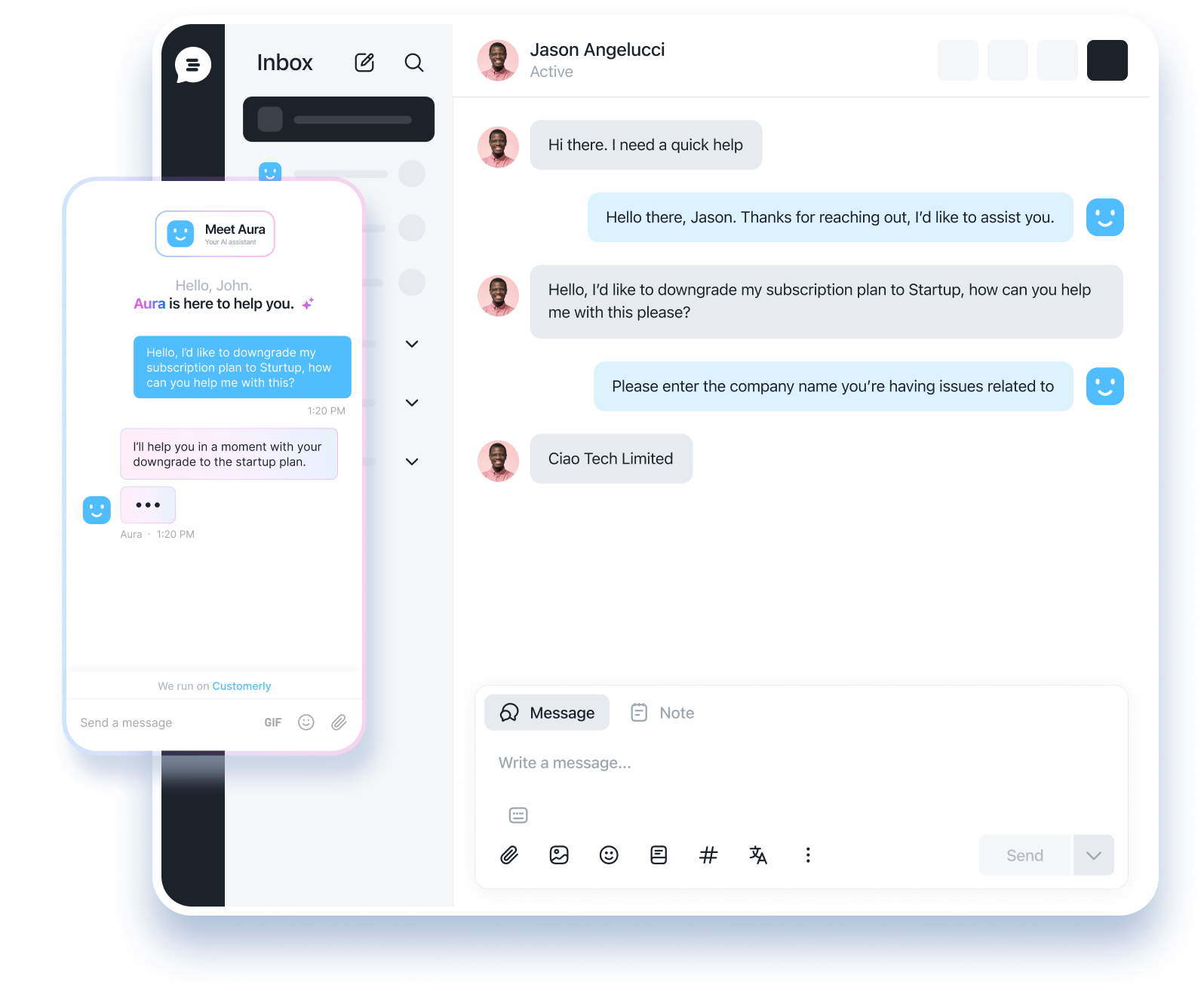
BPO is a business practice where one organization hires another company to perform tasks that the hiring organization needs for its own business operations.
Definition
Business Process Outsourcing (BPO) is a practice in which an organization hires another company to perform a task or process that the hiring organization requires for its own business to function properly. These tasks can be primary (related to the core business) or secondary (back-end tasks).
Usage and Context
BPO is often associated with larger businesses and corporations, but it can also be a beneficial process for smaller businesses. The main reason for outsourcing is to lower costs or to free up company resources for other activities. BPO can be divided into two categories: back office outsourcing, which includes internal business functions such as billing or purchasing, and front office outsourcing, which includes customer-related services such as marketing or tech support.
FAQ
### What are the types of BPO? There are three main types: offshore outsourcing (services are provided from a distant country), nearshore outsourcing (services are provided by a neighboring or nearby country), and onshore outsourcing (services are provided within the same country).
### What are the risks of BPO? Some potential risks include a lack of control over the outsourced function, cultural and communication barriers if the BPO provider is in a different country, and potential threats to security and confidentiality.
Related Software
Some popular BPO services providers include Accenture, Capgemini, and IBM. These companies offer a wide range of services, from customer service to IT support.
Benefits
BPO can provide several benefits such as cost reduction, focus on core business activities, access to more advanced technology, and increased efficiency.
Conclusion
BPO can be a strategic tool for businesses looking to improve service levels, cut costs, or gain new efficiencies. However, it's essential to weigh the potential benefits against the risks.
Related Terms
B2B (Business to Business)
B2B or Business to Business refers to transactions and communications between businesses, such as between a supplier and a retailer.
B2B SaaS (Business to Business Software as a Service)
B2B SaaS is a model where software companies provide applications to businesses over the internet, offering scalability, cost-effectiveness, and flexibility.
B2C (Business to Consumer)
B2C, or Business to Consumer, is a business model where businesses sell products or services directly to individual consumers.
B2C Marketing
B2C Marketing refers to strategies used by companies to promote their products and services to individual consumers. It involves various advertising efforts to drive consumers to products and convert them into customers.
Backlinks
Backlinks are links from one website to another, playing a significant role in SEO as they influence a website's ranking.
Banner Blindness
Banner Blindness is a phenomenon where users ignore banner-like information on a website, reducing the effectiveness of banner ads.
BANT (Budget, Authority, Need, Timeframe)
BANT (Budget, Authority, Need, Timeframe) is a sales qualification framework used to identify and pursue the most qualified prospects.
BBC Email
BBC Email is an internal email service provided by the British Broadcasting Corporation for its employees and affiliates.
Behavioral Email
Behavioral email is a marketing technique that involves sending personalized emails based on user behavior. It helps in improving customer engagement and conversion rates.