

Conversational AI for Customer Service
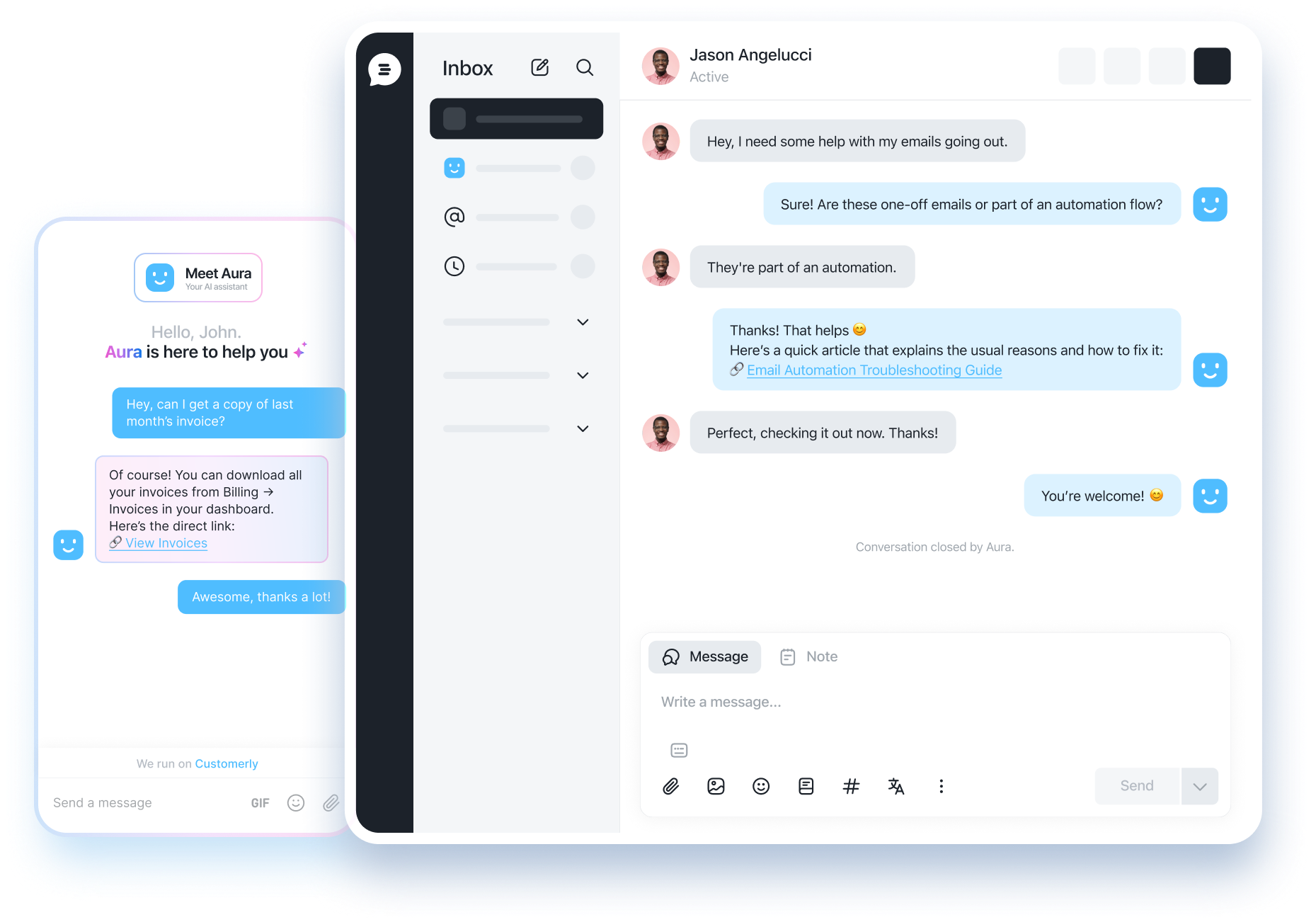
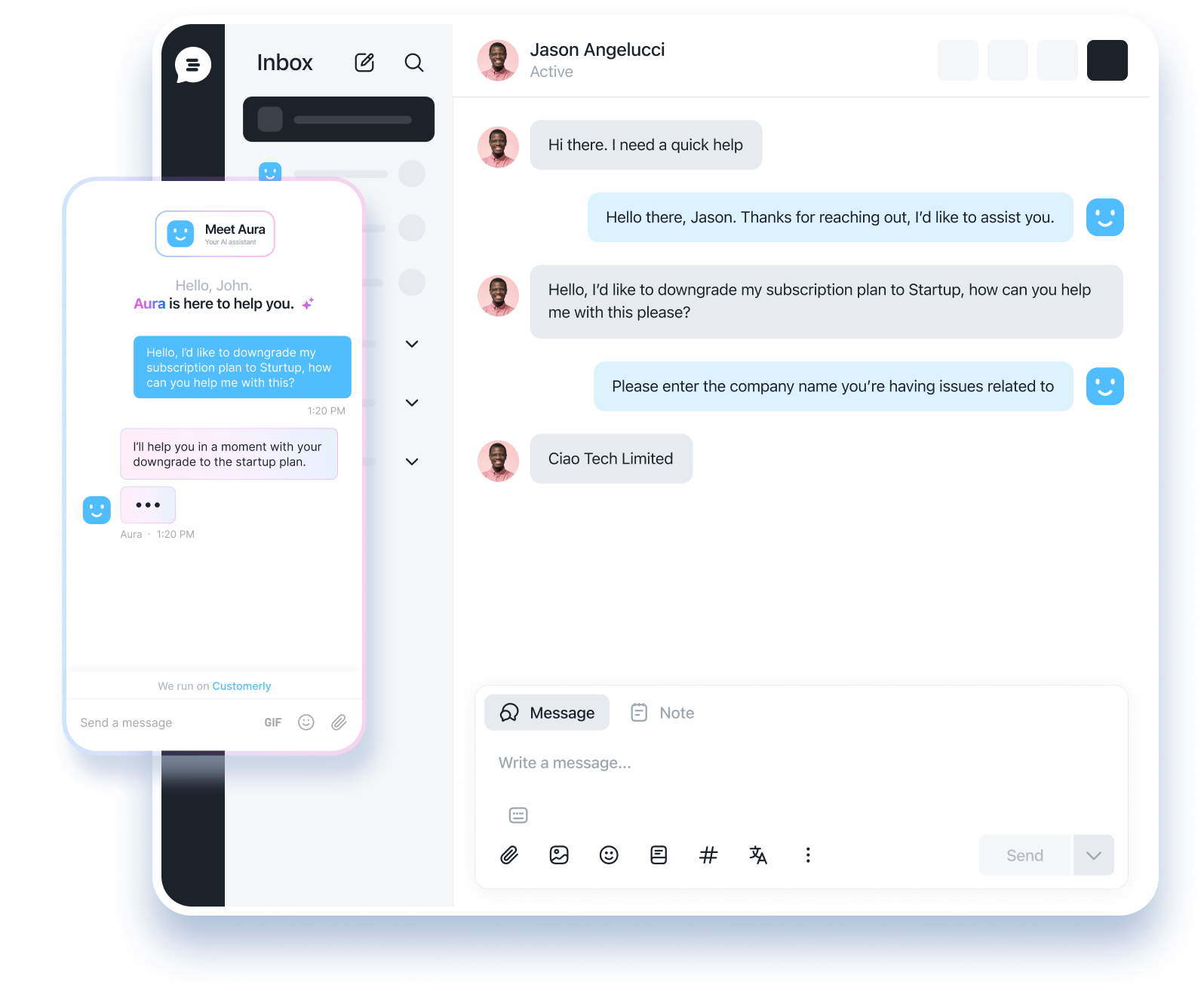
Conversational AI for Customer Service refers to the use of AI technologies to automate and enhance customer interactions. It can improve customer satisfaction and efficiency.
Definition
Conversational AI for Customer Service refers to the use of artificial intelligence technologies to automate and enhance customer interactions. This technology leverages machine learning and natural language processing (NLP) to understand, process, and respond to human language in a natural and engaging manner.
Usage and Context
Conversational AI is widely used in customer service settings to provide immediate responses, resolve customer queries, and deliver personalized experiences. This technology can be used in various forms such as chatbots, virtual assistants, or voice-enabled devices. It can handle multiple customer interactions simultaneously, reducing wait times and improving customer satisfaction.
FAQ
How does Conversational AI work?
Conversational AI uses machine learning algorithms to understand and interpret human language. It uses this understanding to generate human-like responses.
What are the applications of Conversational AI in customer service?
Conversational AI can be used to automate customer support, provide personalized recommendations, handle multiple queries simultaneously, and improve overall customer experience.
Related Software
Some conversational ai platforms includes Google Assistant, Amazon Alexa, Microsoft Cortana, IBM Watson with Watsonx Assistant and Customerly with our powerful AI assistant, Customerly Aura.
Benefits
Conversational AI can help businesses reduce operational costs, improve customer satisfaction, provide 24/7 customer support, and offer personalized customer experiences.
Conclusion
Conversational AI for Customer Service is a powerful tool that can transform customer interactions. By automating and enhancing customer service, businesses can improve customer satisfaction and achieve operational efficiency.
Related Terms
CAC:LTV (Customer Acquisition Cost to Lifetime Value Ratio)
The CAC:LTV ratio is a business metric assessing the cost of acquiring a new customer against the revenue they generate over their lifetime.
Call Deflection
Call deflection is a strategy used in customer service to manage incoming calls by directing them towards more efficient, automated or self-service channels.
Call Escalation
Call Escalation refers to the process of transferring a customer's call to a higher authority or skilled representative to resolve complex issues.
Call Monitoring
Call Monitoring is the practice of observing and analyzing phone calls within a company to maintain quality control, ensure compliance, and improve customer service.
Call Recording
Call Recording is a technology-based process allowing businesses to record telephone conversations for quality control, training, and legal purposes.
Call to Action
A 'Call to Action' (CTA) is a prompt on a website that encourages the user to take some specified action. It's a crucial tool in digital marketing.
Campaign Management
Campaign Management is a strategic process involving planning, executing, tracking, and analyzing marketing campaigns to reach target audiences.
Campaign Optimization
Campaign Optimization is a strategic process in digital marketing to improve the performance of a campaign, aiming to maximize ROI.
Campaign Platform
A Campaign Platform is a tool that enables businesses to manage and execute marketing campaigns efficiently across various channels. It offers improved campaign management, increased efficiency, and better performance.