

CPaaS (Communications Platform as a Service)
CPaaS is a cloud-based platform that allows developers to add real-time communication features into their applications without needing to build backend infrastructure.
Definition
CPaaS, or Communications Platform as a Service, is a cloud-based platform that allows developers to add real-time communication features (voice, video, and messaging) into their own applications without needing to build backend infrastructure and interfaces. CPaaS providers offer APIs, SDKs and other tools for developers to build and customize their communication services.
Usage and Context
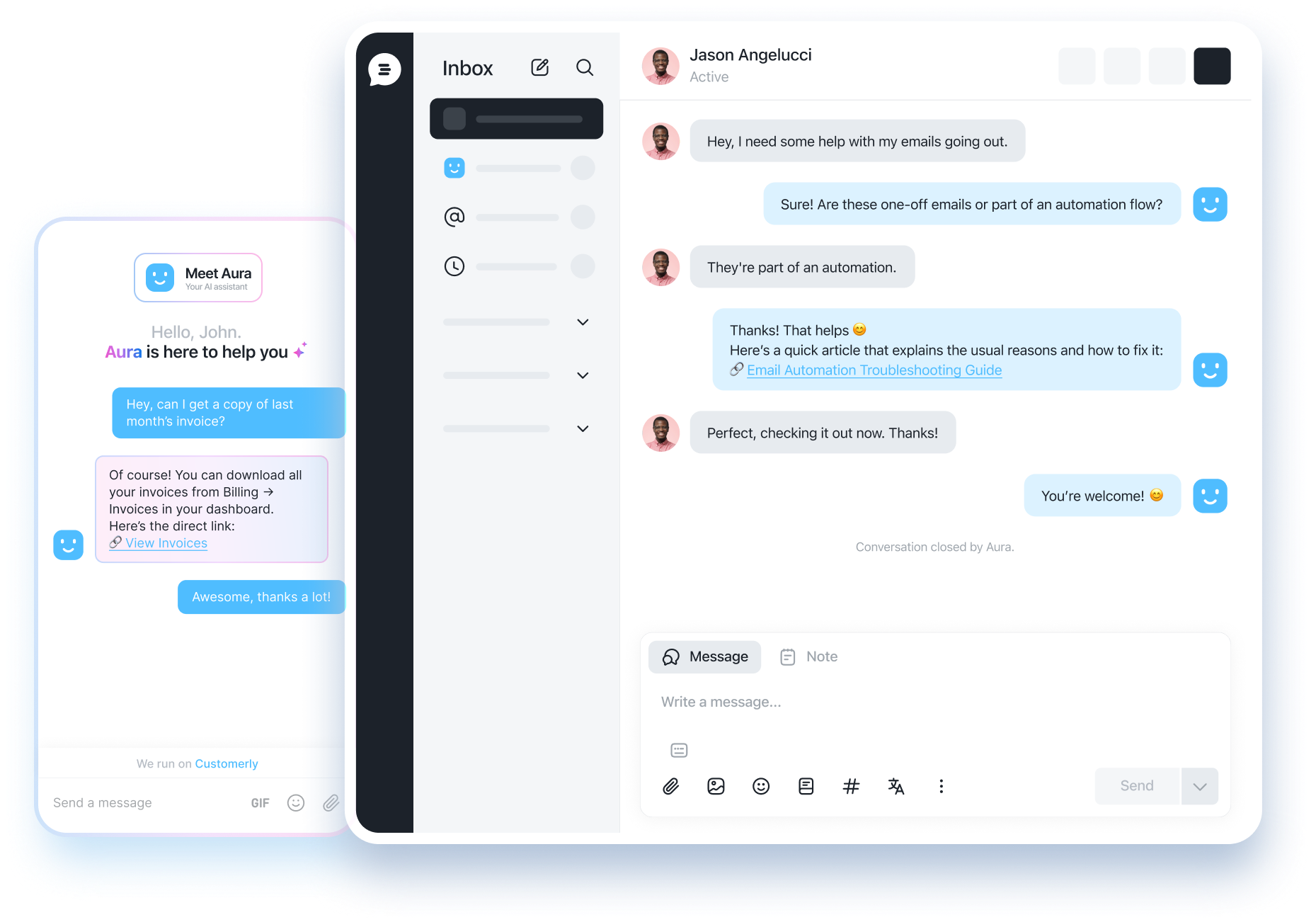
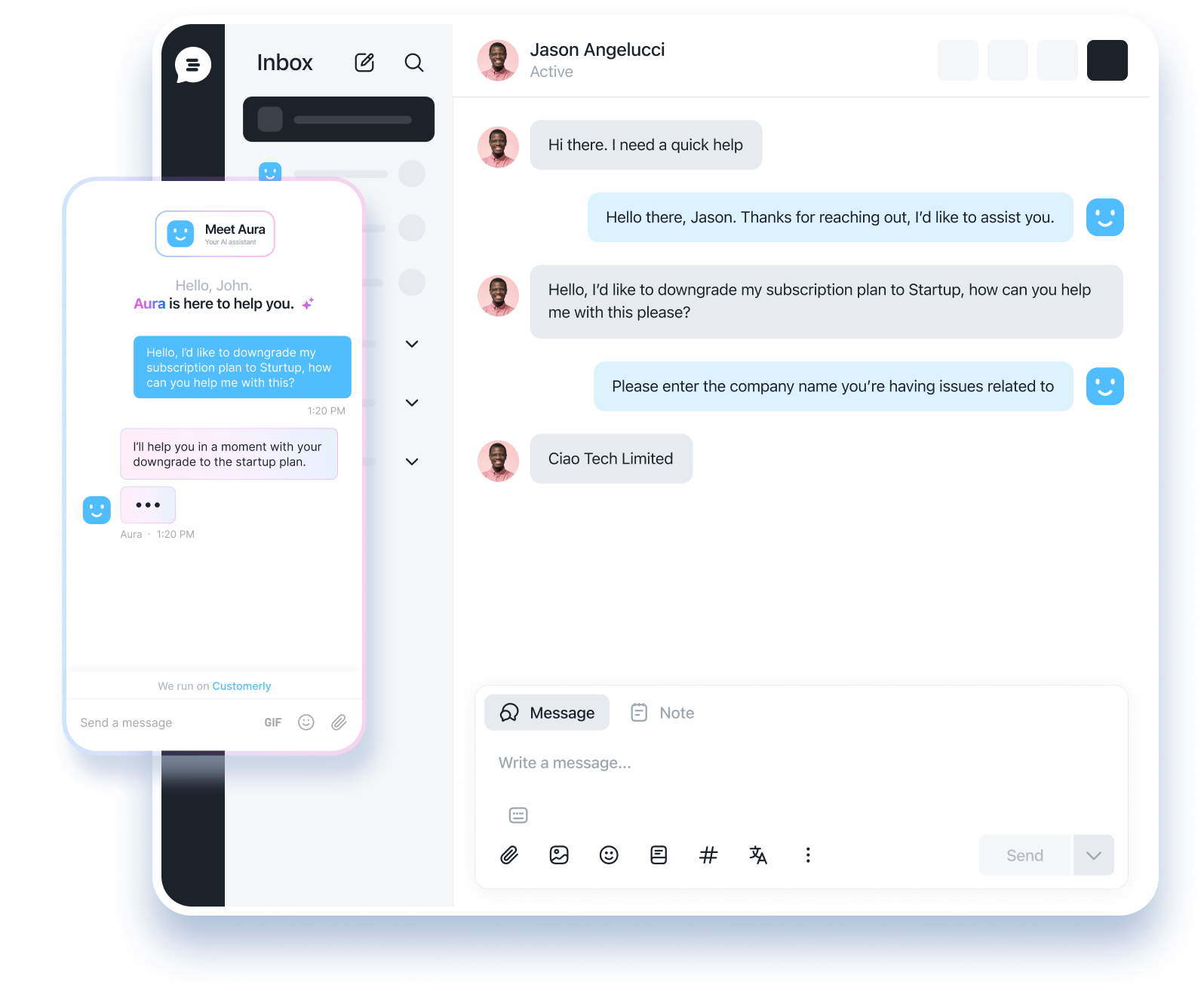
CPaaS is used across various industries, from healthcare to e-commerce and social media platforms. For example, a healthcare app might use CPaaS to enable video consultations between doctors and patients. An e-commerce site could use it to send transactional SMS notifications or to provide live chat support.
FAQ
What is the difference between CPaaS and UCaaS?
While both CPaaS and UCaaS (Unified Communications as a Service) provide communication services, UCaaS offers a pre-built suite of communication tools, while CPaaS allows businesses to build and customize their own communication features.
What are some examples of CPaaS?
Twilio, Nexmo, and Plivo are popular examples of CPaaS providers.
Related Software
CPaaS solutions often work alongside or within other software, such as CRM systems (like Salesforce), project management tools (like Slack), or e-commerce platforms (like Shopify).
Benefits
The main benefit of CPaaS is its flexibility and scalability. Businesses can pick and choose the communication features they need, and scale up or down as needed. Additionally, since CPaaS providers handle the backend infrastructure, businesses can focus on improving their user experience.
Conclusion
In conclusion, CPaaS offers a flexible and scalable solution for businesses to integrate real-time communication features into their applications, without the need to build and maintain backend infrastructure.
Related Terms
CAC:LTV (Customer Acquisition Cost to Lifetime Value Ratio)
The CAC:LTV ratio is a business metric assessing the cost of acquiring a new customer against the revenue they generate over their lifetime.
Call Deflection
Call deflection is a strategy used in customer service to manage incoming calls by directing them towards more efficient, automated or self-service channels.
Call Escalation
Call Escalation refers to the process of transferring a customer's call to a higher authority or skilled representative to resolve complex issues.
Call Monitoring
Call Monitoring is the practice of observing and analyzing phone calls within a company to maintain quality control, ensure compliance, and improve customer service.
Call Recording
Call Recording is a technology-based process allowing businesses to record telephone conversations for quality control, training, and legal purposes.
Call to Action
A 'Call to Action' (CTA) is a prompt on a website that encourages the user to take some specified action. It's a crucial tool in digital marketing.
Campaign Management
Campaign Management is a strategic process involving planning, executing, tracking, and analyzing marketing campaigns to reach target audiences.
Campaign Optimization
Campaign Optimization is a strategic process in digital marketing to improve the performance of a campaign, aiming to maximize ROI.
Campaign Platform
A Campaign Platform is a tool that enables businesses to manage and execute marketing campaigns efficiently across various channels. It offers improved campaign management, increased efficiency, and better performance.