

CSS (Customer Self-Service)
CSS (Customer Self-Service) is a support system that allows customers to perform tasks without live assistance, improving customer experience and reducing costs.
Definition
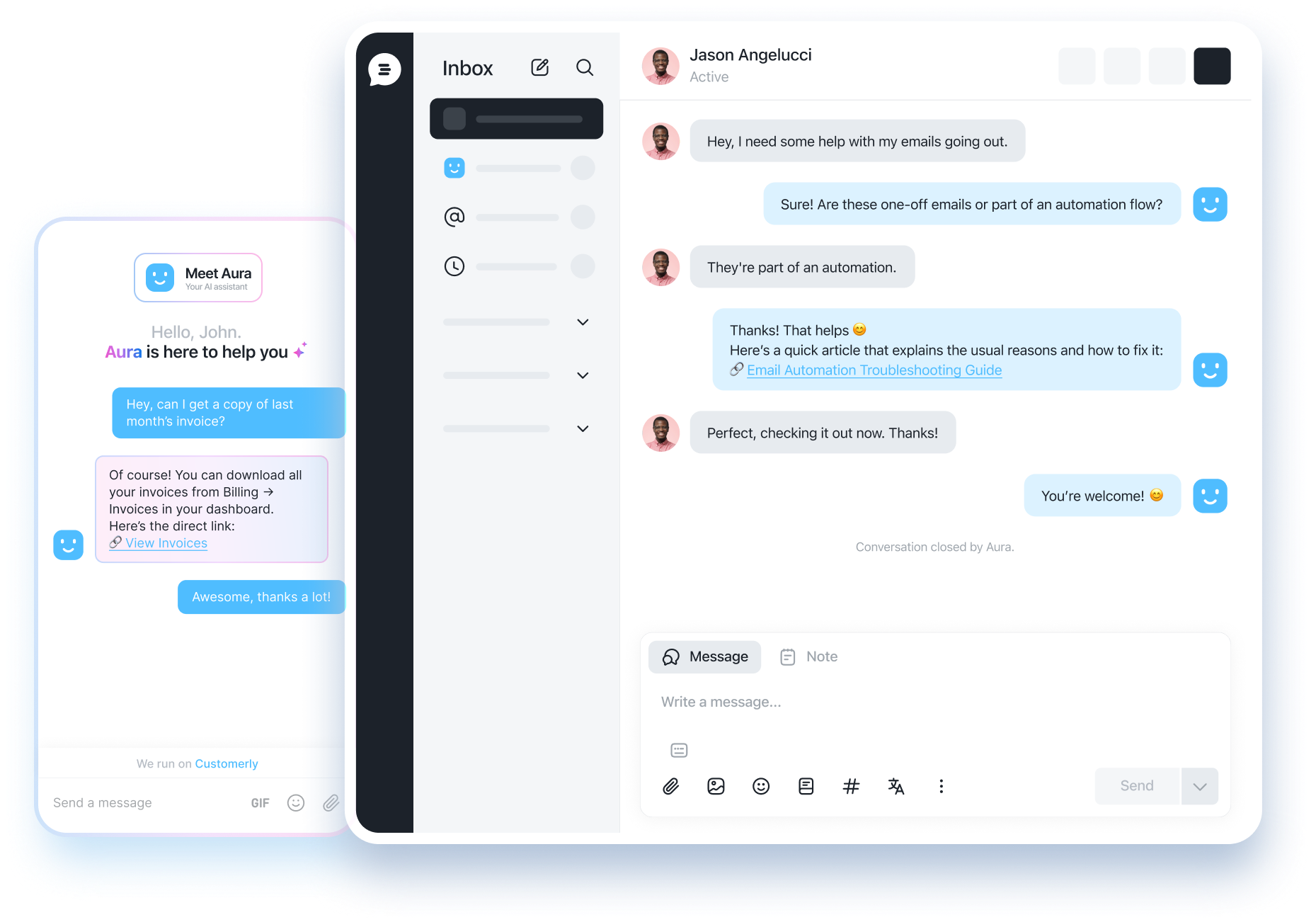
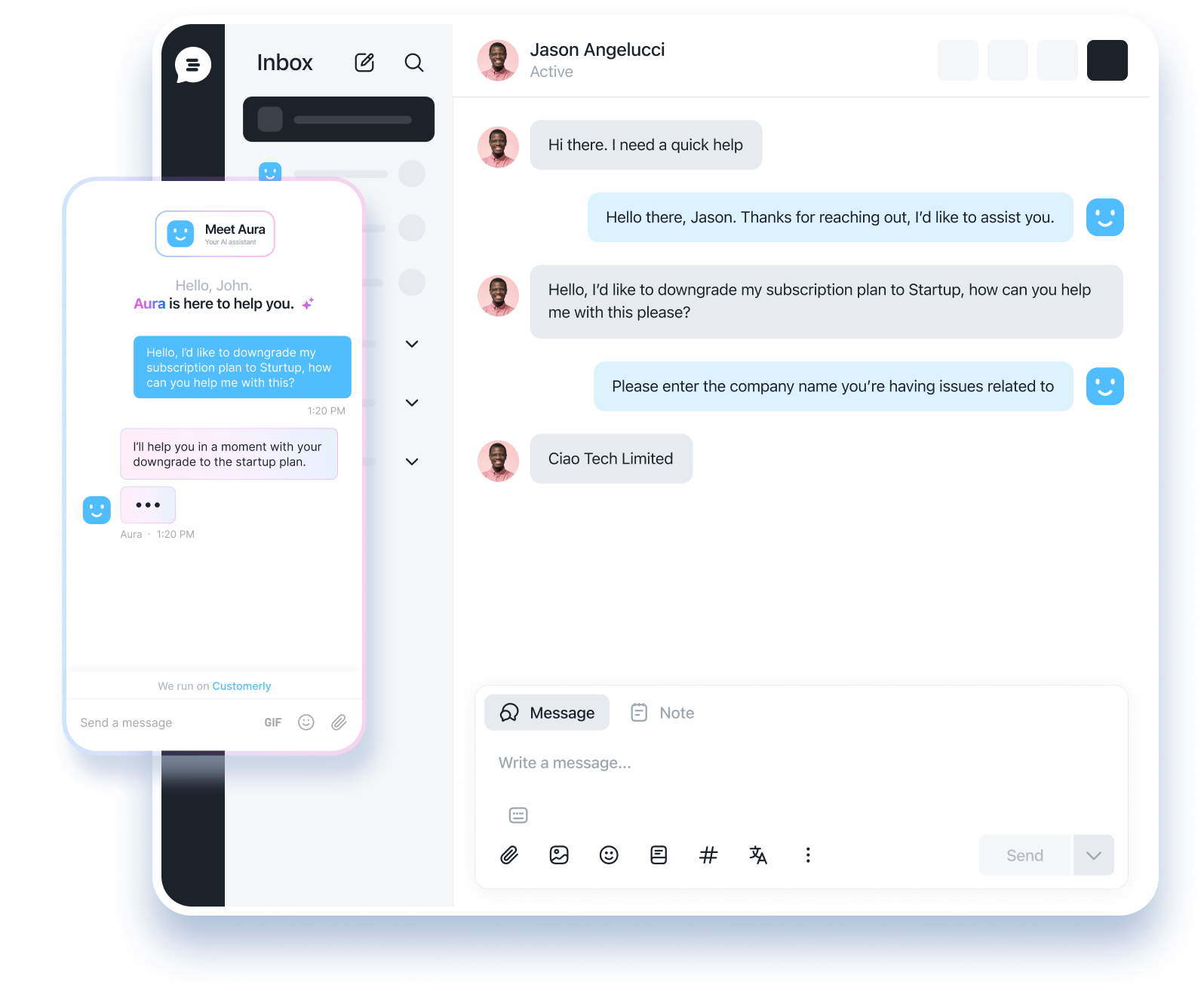
CSS, or Customer Self-Service, is a type of support that allows customers to access information and perform routine tasks without requiring assistance from a live customer service representative. This can include tasks like updating personal information, tracking orders, getting product information, and more. By providing these services, businesses can improve their customer experience while also reducing costs.
Usage and Context
CSS can be used in various industries, from retail to banking to telecommunications. It's particularly useful for businesses with large customer bases, as it allows them to provide support to many customers at once. CSS can be provided through various channels, including websites, mobile apps, interactive voice response systems, and kiosks.
FAQ
What is the purpose of CSS?
CSS allows customers to serve themselves, reducing the need for them to contact customer service representatives. This can save both the customer and the business time and money.
How does CSS improve customer satisfaction?
CSS can improve customer satisfaction by giving customers control over their interactions with the business. They can access information and services whenever they want, without having to wait for a representative.
Related Software
There are many software solutions available that can help businesses provide CSS. These include knowledge base software, chatbot software, and customer portal software.
Benefits
There are several benefits to implementing CSS. It can reduce costs, improve customer satisfaction, and increase efficiency. It can also help businesses scale their customer support as they grow, without needing to hire large numbers of customer service representatives.
Conclusion
CSS is a valuable tool for any business that wants to improve its customer service while also reducing costs. By giving customers the ability to serve themselves, businesses can provide a better customer experience and increase customer satisfaction.
Related Terms
CAC:LTV (Customer Acquisition Cost to Lifetime Value Ratio)
The CAC:LTV ratio is a business metric assessing the cost of acquiring a new customer against the revenue they generate over their lifetime.
Call Deflection
Call deflection is a strategy used in customer service to manage incoming calls by directing them towards more efficient, automated or self-service channels.
Call Escalation
Call Escalation refers to the process of transferring a customer's call to a higher authority or skilled representative to resolve complex issues.
Call Monitoring
Call Monitoring is the practice of observing and analyzing phone calls within a company to maintain quality control, ensure compliance, and improve customer service.
Call Recording
Call Recording is a technology-based process allowing businesses to record telephone conversations for quality control, training, and legal purposes.
Call to Action
A 'Call to Action' (CTA) is a prompt on a website that encourages the user to take some specified action. It's a crucial tool in digital marketing.
Campaign Management
Campaign Management is a strategic process involving planning, executing, tracking, and analyzing marketing campaigns to reach target audiences.
Campaign Optimization
Campaign Optimization is a strategic process in digital marketing to improve the performance of a campaign, aiming to maximize ROI.
Campaign Platform
A Campaign Platform is a tool that enables businesses to manage and execute marketing campaigns efficiently across various channels. It offers improved campaign management, increased efficiency, and better performance.