## Definition
Generative AI refers to a subset of artificial intelligence techniques that use machine learning models to generate new content. These models are trained on vast amounts of data and can produce outputs such as text, images, music, and even video content. Unlike traditional AI systems that analyze and classify data, generative AI creates new data, offering a wide range of applications from creative arts to sophisticated scientific research.
## Usage and Context
Generative AI has become a pivotal technology across multiple sectors, often intersecting with fields like [conversational AI](https://www.customerly.io/blog/what-is-conversational-ai/), where it enables more natural and context-aware interactions between humans and machines.
In the **tech industry**, it powers applications like OpenAI's GPT-4, which can generate human-like text, and DALL-E, which creates images from textual descriptions.
In **entertainment**, it aids in developing video game environments and character designs.
In **healthcare**, generative models help in simulating complex biological processes or generating new molecular structures for drug discovery.
The versatility of generative AI lies in its ability to mimic human creativity while offering scalability and efficiency. Businesses leverage this technology to automate content creation, enhance user experiences, and even personalize marketing strategies.
## FAQ
### What is the main goal of Generative AI?
The primary goal of generative AI is to create new, original content that is indistinguishable from content created by humans. This involves understanding the patterns and intricacies of existing data to produce similar, yet novel, outputs.
### How does Generative AI differ from traditional AI?
Traditional AI focuses on data analysis and pattern recognition, often used for classification or prediction tasks. Generative AI, on the other hand, is designed to create new data, such as images, text, or sounds, based on the patterns it learned from existing data.
### What are some examples of Generative AI applications?
Examples include text generation models like GPT-4, image creation tools like DALL-E, music composition software, and even AI-driven game design platforms.
## Related Software
Prominent generative AI software includes OpenAI's GPT-4 and DALL-E, Google's DeepDream, and [Adobe's Sensei](https://business.adobe.com/ai/adobe-genai.html). These tools are at the forefront of generative AI technology, each specializing in different types of content generation.
## Benefits
Generative AI offers numerous benefits, such as:
- **Creativity Enhancement**: It aids artists and creators by automating routine tasks and providing inspiration for new projects.
- **Efficiency**: It significantly reduces the time required to produce high-quality content.
- **Personalization**: Enables [personalized experiences in customer service](https://www.customerly.io/blog/ai-customer-experience/) and marketing by generating content tailored to individual preferences.
- **Innovation**: Facilitates innovation in fields like drug discovery and design by simulating potential outcomes quickly and accurately.
## Generative AI in Customer Service
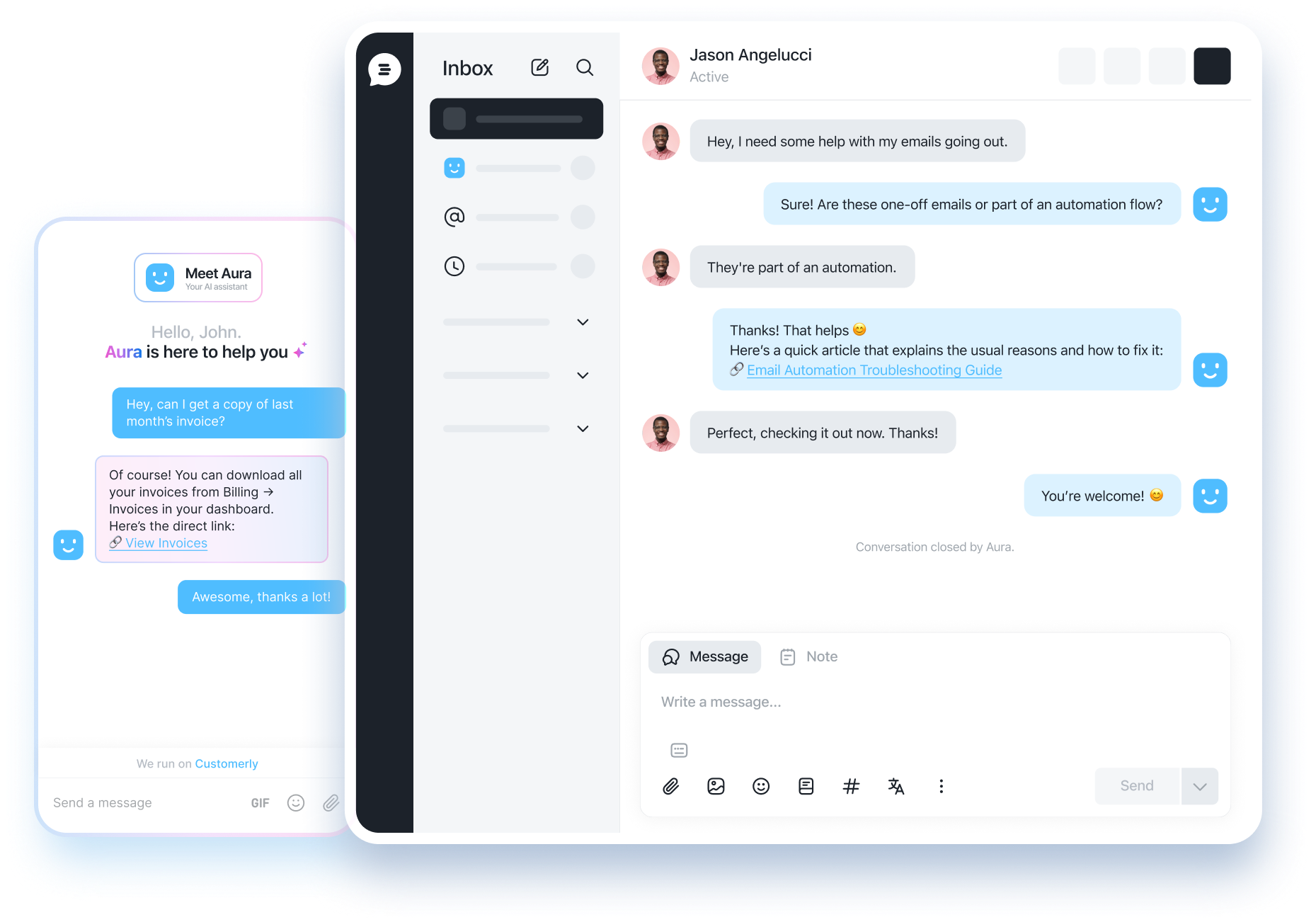
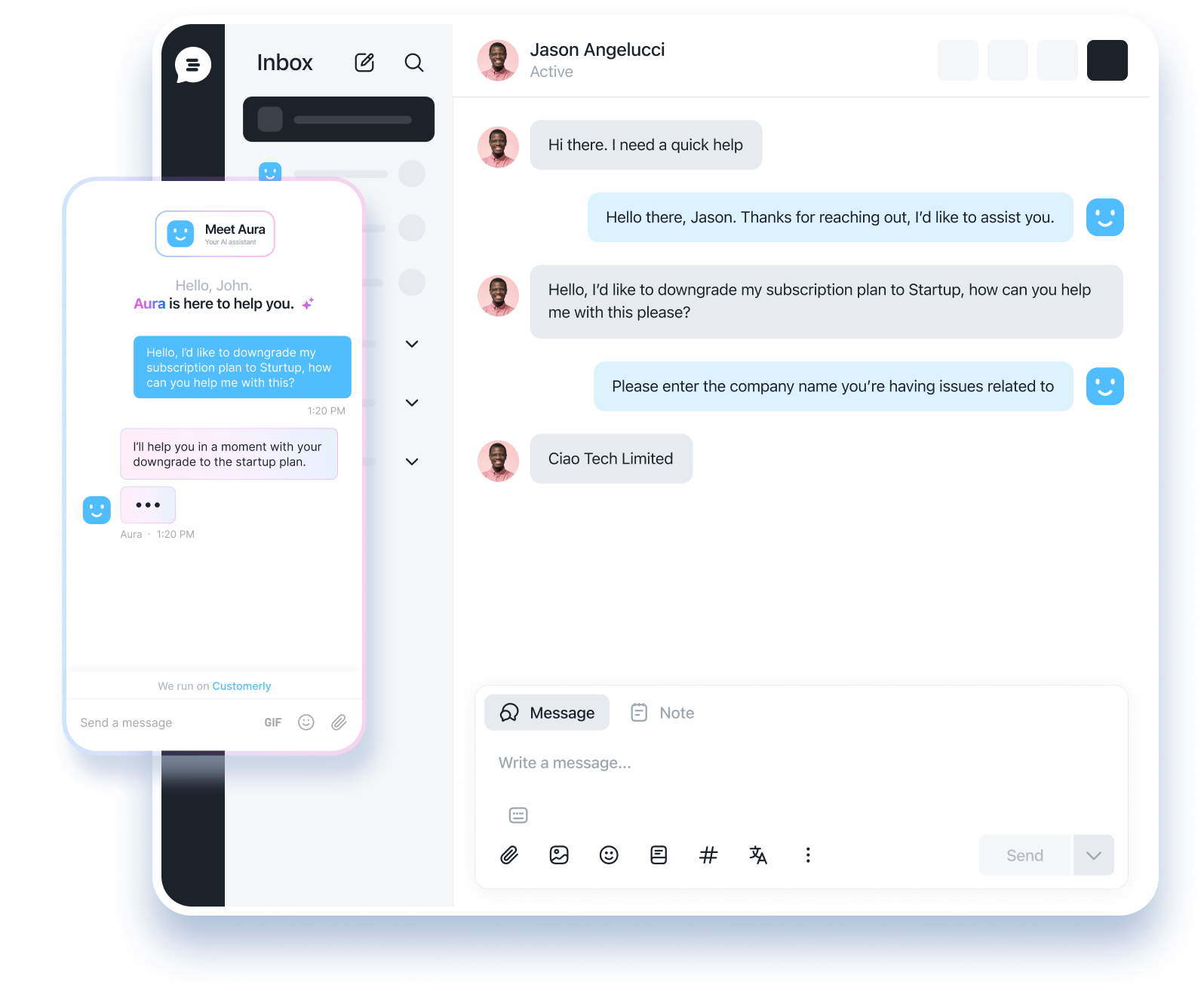
Generative AI is transforming customer support by enabling businesses to create automated yet highly personalized interactions.
**AI chatbots**, powered by natural language processing, can provide instant responses, resolve customer inquiries, and simulate human-like conversations. But chatbots aren’t the only AI-driven tool improving customer service—self-service solutions are also evolving.
📺 Curious about Generative AI? Watch our video for a complete breakdown of what it is, how it works, and how you can use it to enhance customer service. Don't miss out — [click play now](https://www.youtube.com/watch?v=SJRssdeQViA)!
[](https://www.youtube.com/watch?v=SJRssdeQViA)
## Conclusion
Generative AI is revolutionizing how we create and interact with content. It merges the analytical capabilities of machines with the creative potential of humans, paving the way for groundbreaking advancements across various industries. As technology evolves, generative AI will continue to expand its applications, offering new possibilities for innovation and efficiency.
🚀 Stay ahead in AI-powered innovation and discover how businesses are leveraging AI to enhance interactions.
Related Terms
Google Analytics is a free web analytics tool by Google that tracks and reports website traffic, providing valuable insights for businesses.
Gated content refers to online materials that require users to fill out a form before they can access them. It's used for lead generation and data collection.
GDPR is a data protection regulation introduced by the EU to protect the privacy of its citizens. It applies to organizations within and outside the EU.
GDPR Compliance Tools are software and strategies used by businesses to ensure their data practices comply with the GDPR.
Geofencing is a location-based service that enables businesses to interact with users within a specific geographic area. It's used in advertising, security, and logistics.
Geotargeting is a marketing strategy that allows businesses to deliver personalized content based on users' geographical location.
Growth Hacking is a marketing strategy focused on rapid business growth using innovative, low-cost strategies to acquire and retain customers.
GTM (Go-to-Market) is a business strategy outlining how a product or service will be sold to customers. It's crucial for successful product launches and market entry.
Guerilla Marketing is a creative and cost-effective strategy that uses unconventional methods to promote a product or brand. It can yield high results and generate buzz.