

IM (Instant Messaging)
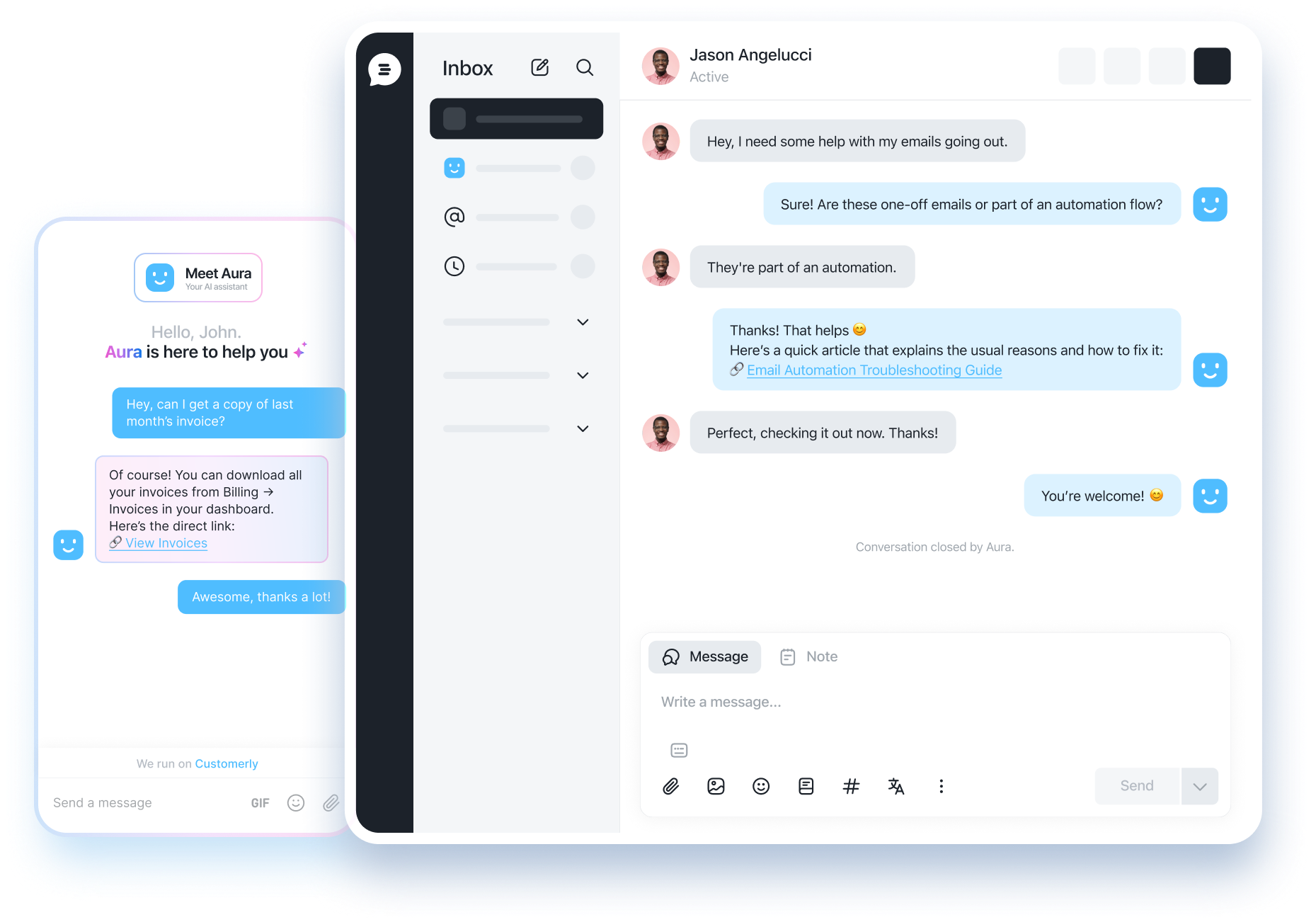
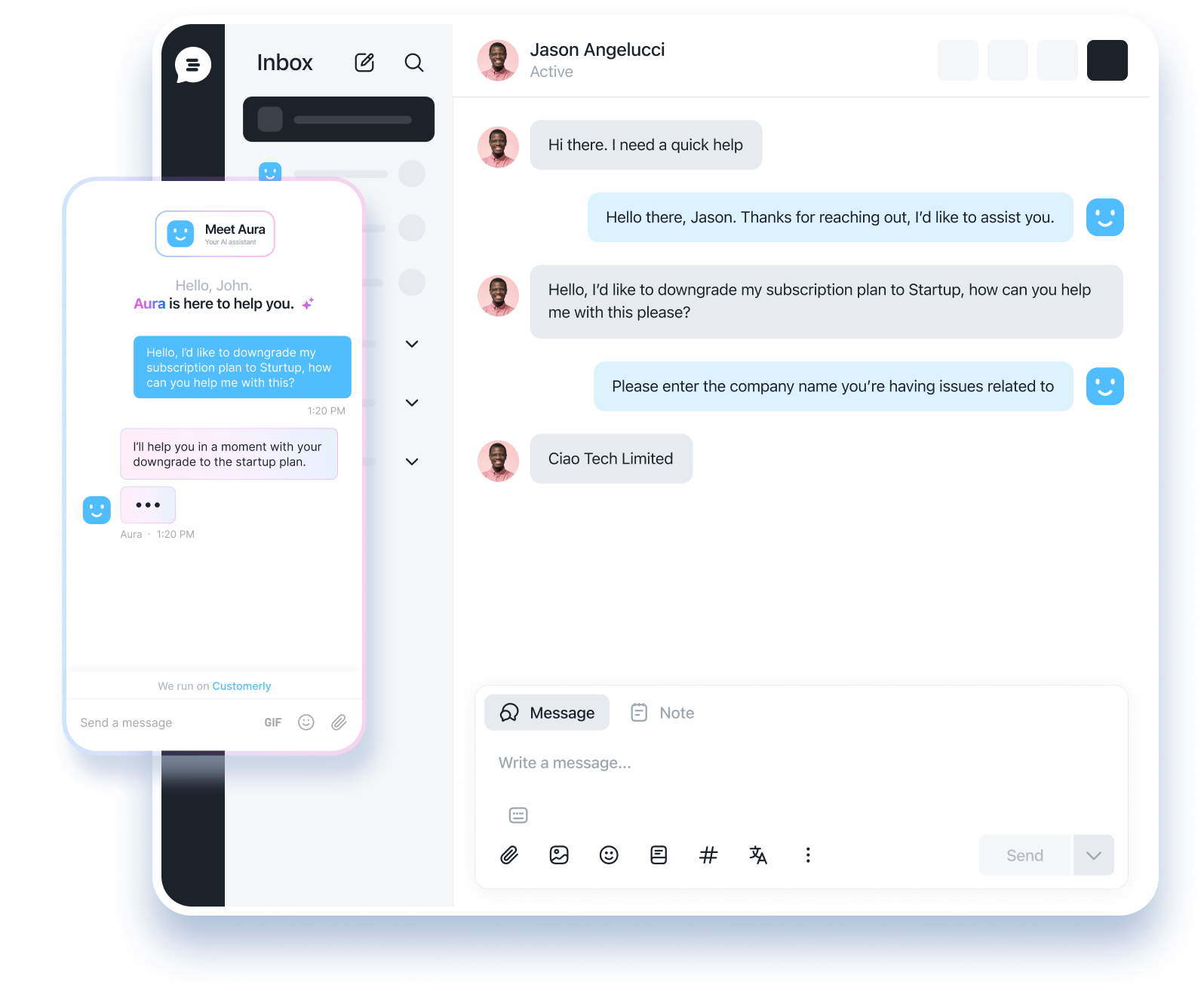
Instant Messaging (IM) is a real-time communication tool used for exchanging text messages, files, and conducting voice and video calls over the internet.
Definition
Instant Messaging (IM) is a real-time communication technology that allows users to exchange text messages, files, and even conduct voice and video calls over the internet. Originally designed for personal communication, IM has evolved into a powerful tool for business communication as well.
Usage and Context
IM is widely used in both personal and professional contexts. In personal use, people use IM to connect with friends and family, sharing messages, photos, and videos. In professional settings, IM is used for quick communication between team members, enabling real-time collaboration and efficient problem-solving.
FAQ
What is the difference between IM and email?
While both IM and email are tools for electronic communication, the key difference lies in their speed. IM is designed for real-time communication, while emails are typically not expected to be responded to immediately.
Is IM secure?
Security of IM depends on the particular software being used. Many IM services offer end-to-end encryption, ensuring that only the sender and receiver can read the messages.
Related Software
There are many IM software available today. Some of the most popular ones include WhatsApp, Facebook Messenger, Slack, and Microsoft Teams.
Benefits
IM offers many benefits. It allows for real-time communication, making it a powerful tool for collaboration. It also allows for the sharing of files, making it easier to work together on projects. Furthermore, many IM software offer features such as group chats and video calls, adding to their versatility.
Conclusion
In conclusion, IM is a powerful tool for communication. With its real-time nature and versatility, it is widely used in both personal and professional contexts.
Related Terms
IaaS (Infrastructure as a Service)
IaaS, or Infrastructure as a Service, is a cloud computing model that provides virtualized computing resources over the internet.
ICR (Intelligent Call Routing)
ICR (Intelligent Call Routing) is a technology that routes phone calls to the most appropriate agent or department within a business.
ID&V (Identification and Verification)
ID&V (Identification and Verification) is a process used primarily in the financial and telecommunications sectors to confirm a customer's identity, reducing the risk of fraud.
Inbound Call Center
An inbound call center is a dedicated space where calls are received by a company, commonly for customer service purposes.
Inbound Call Script
An inbound call script is a pre-defined guideline used by call center agents to manage inbound calls effectively, ensuring consistent and accurate information.
Inbound Marketing
Inbound marketing is a business methodology that attracts customers by creating valuable content and experiences tailored to them.
Inbound Marketing Automation
Inbound Marketing Automation refers to the use of software to automate inbound marketing tasks, enhancing efficiency and personalization.
Inbound Marketing Manager
An Inbound Marketing Manager is responsible for implementing inbound marketing strategies to attract potential customers towards a company's products or services.
Incident Management
Incident Management is a process in ITSM focused on restoring normal service operations quickly after disruptions, ensuring minimal impact on business operations.