

Post-Sales Support
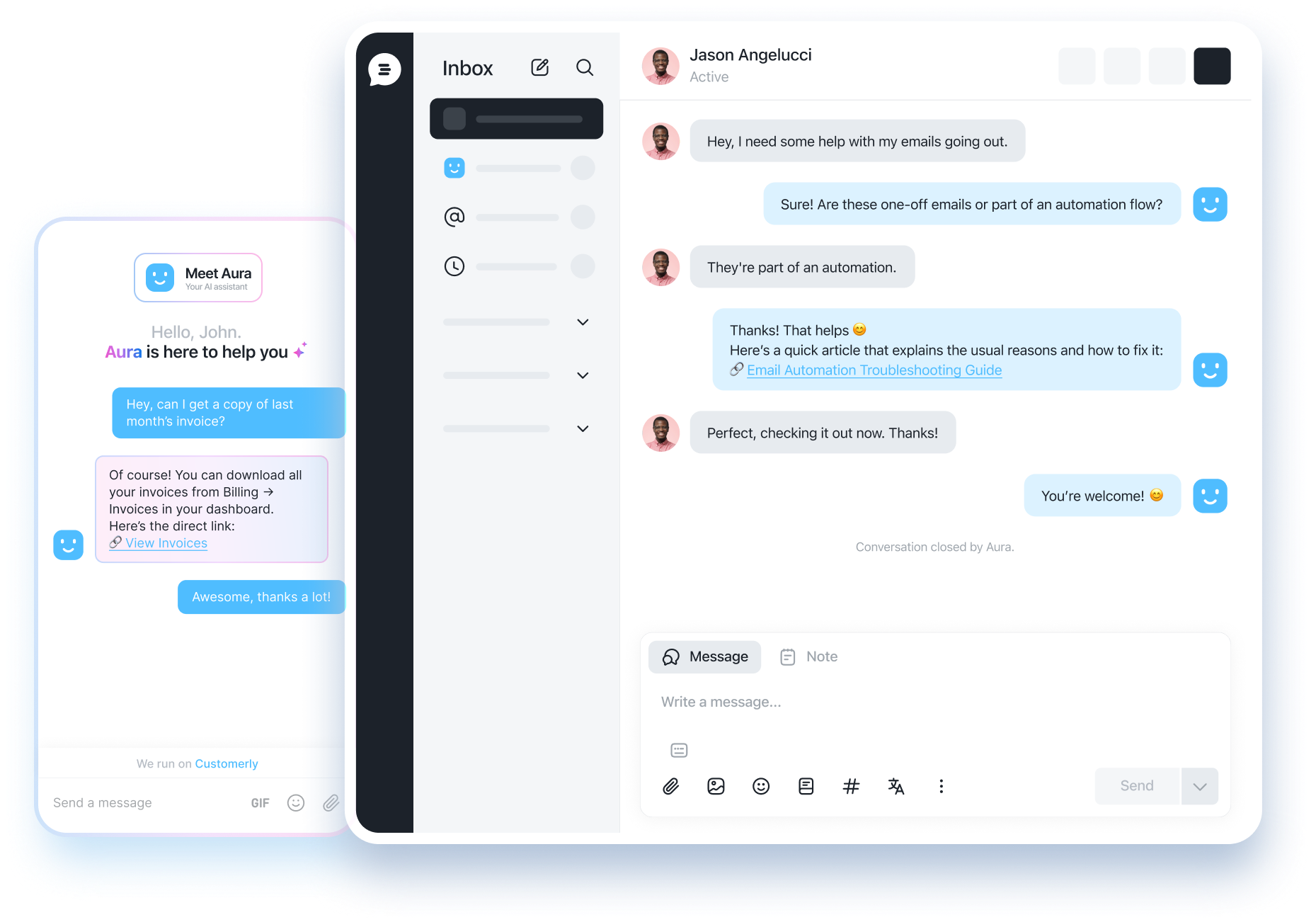
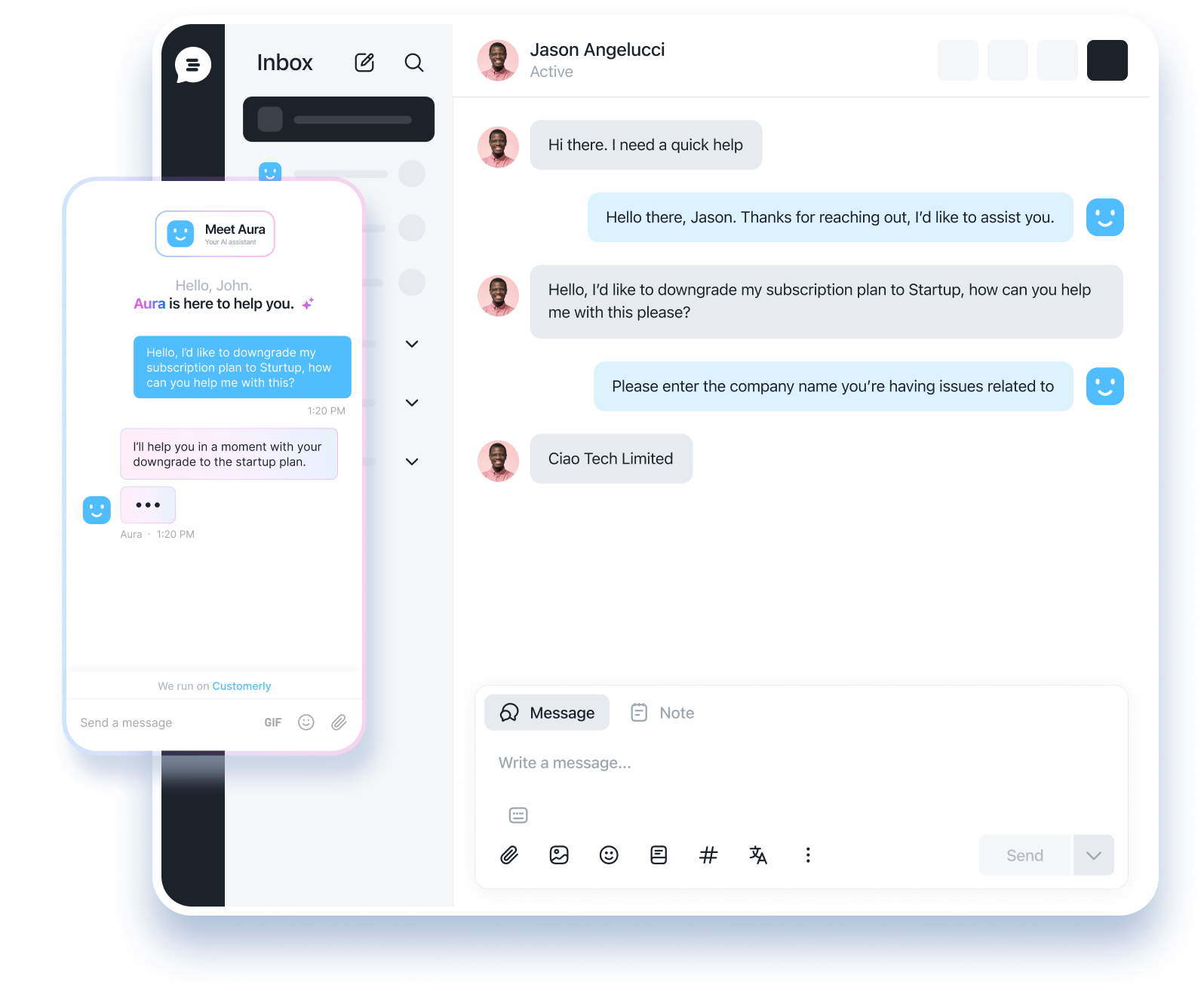
Post-Sales Support refers to the services provided by a business to its customers after the purchase of a product or service to ensure customer satisfaction.
Definition
Post-Sales Support refers to all the services provided by a business to its customers after the purchase of a product or service. This could include installation guidance, troubleshooting, maintenance, upgrades, and other services aimed at ensuring customer satisfaction and loyalty.
Usage and Context
In today's competitive business environment, providing excellent post-sales support is as important as selling the product itself. It is an integral part of the customer service experience, which goes a long way in building long-term relationships with customers. It involves addressing any issues the customer might face after purchasing the product, answering their queries, and providing any necessary training.
FAQ
What are some examples of post-sales support?
Post-sales support can include technical support, product training, regular maintenance checks, warranty services, and upgrades.
Why is post-sales support important?
Post-sales support is crucial as it enhances customer satisfaction and loyalty, which can lead to repeat purchases and positive word-of-mouth advertising.
Related Software
Customer Relationship Management (CRM) software, helpdesk software, and other customer service tools are often used to manage and streamline post-sales support.
Benefits
Post-sales support can lead to improved customer satisfaction, increased customer retention, and enhanced brand reputation. It can also provide businesses with valuable feedback for improving their products and services.
Conclusion
In conclusion, post-sales support is a critical component of the overall customer experience. By providing excellent post-sales support, businesses can build stronger relationships with their customers, improve customer retention, and ultimately boost their bottom line.
Related Terms
PaaS (Platform as a Service)
PaaS (Platform as a Service) is a cloud computing model that provides a platform for customers to develop, run, and manage applications without the complexity of building and maintaining the infrastructure.
Paid Media
Paid media refers to any form of advertising that costs money, including traditional and digital advertising. It's an essential part of a comprehensive marketing strategy.
Paid Search
Paid Search is a digital marketing strategy where advertisers pay a fee each time their ad is clicked, buying visits to their site.
Path to Purchase
The 'Path to Purchase' is a marketing term that describes the customer's journey from recognizing a need for a product or service, to the final act of purchase.
Performance Benchmarking
Performance benchmarking is the process of comparing an organization's performance against industry standards to identify gaps and gain a competitive edge.
Performance Improvement Plans
Performance Improvement Plans (PIPs) are structured plans used by organizations to help underperforming employees improve their performance.
Performance Marketing
Performance Marketing is a type of online advertising where advertisers pay marketing companies when a specific action is completed.
Performance Monitoring
Performance Monitoring is a process of tracking and evaluating system resources to ensure optimal functioning and performance.
Permission Email Marketing
Permission email marketing is a form of digital marketing that involves sending promotional emails to individuals who have given their consent.