

Service Automation
Service Automation refers to the process of automating repetitive tasks or services to improve efficiency and reduce errors.
Definition
Service Automation, in the broadest sense, refers to the process of automating repetitive and routine tasks, operations, or services through the use of software, artificial intelligence, and other digital tools. It aims to streamline processes, increase efficiency, reduce errors, and improve overall service delivery. Service Automation can be applied in various sectors, including IT, customer service, healthcare, and manufacturing among others.
Usage and Context
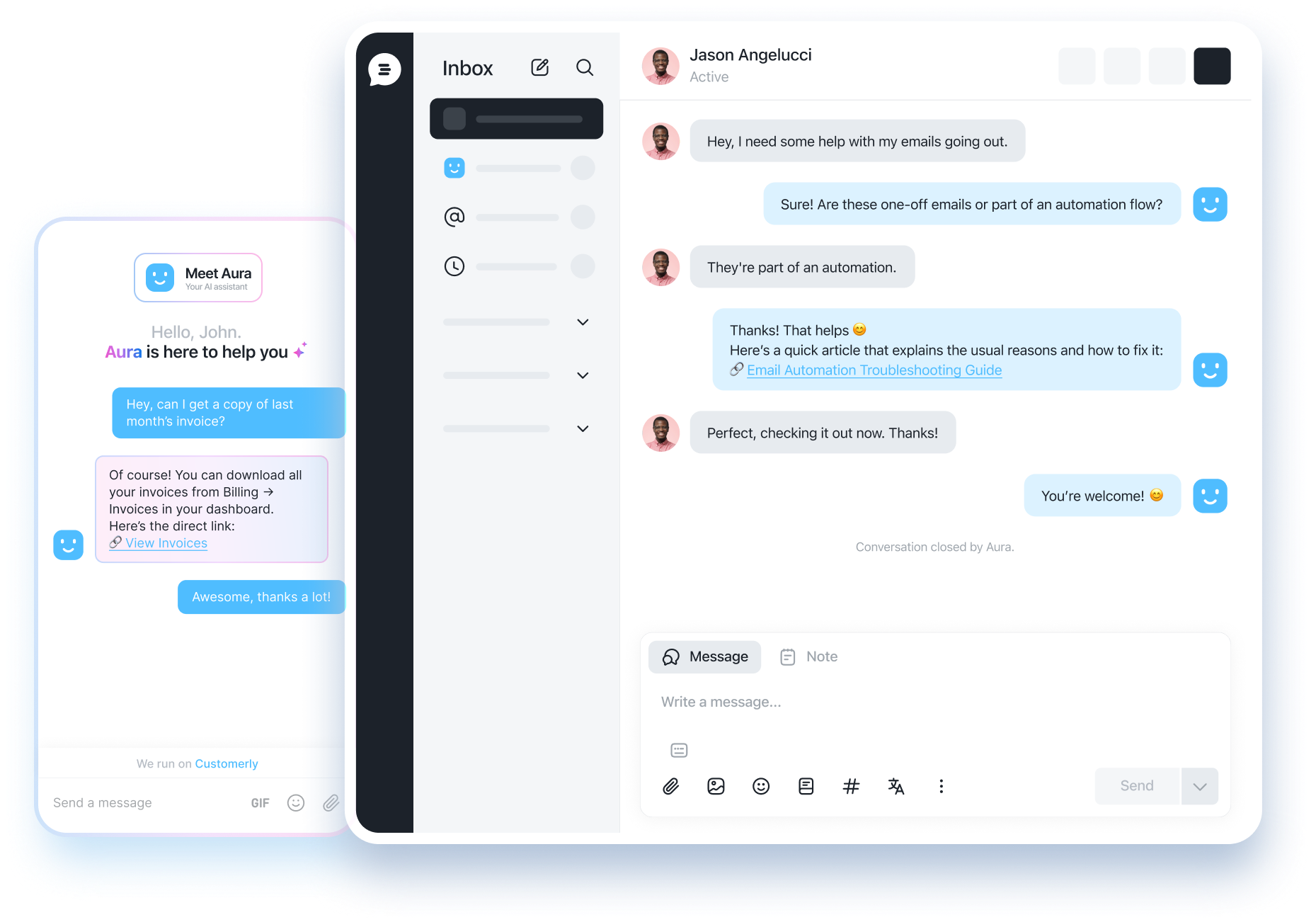
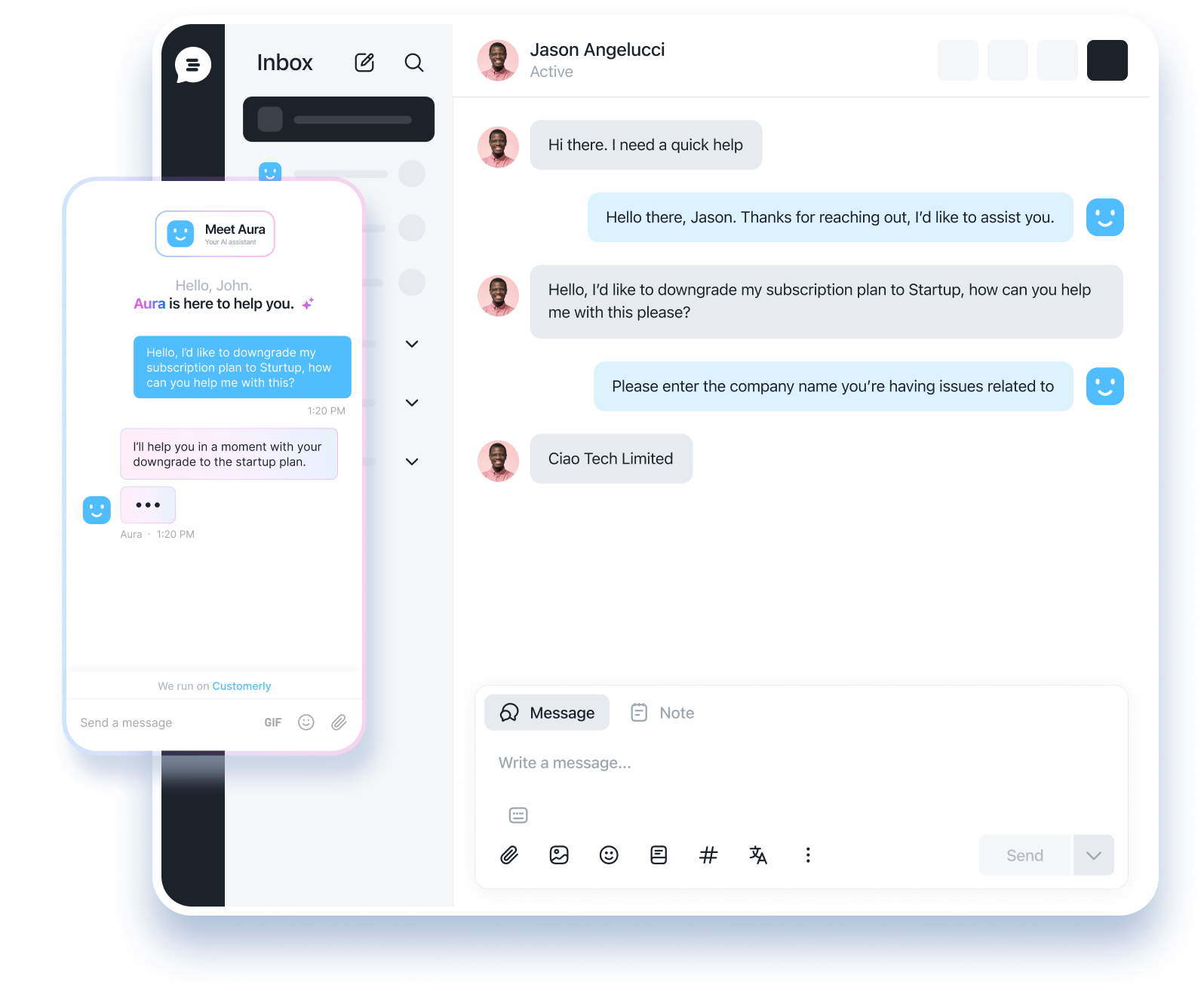
In the IT sector, Service Automation is commonly used to automate tasks such as system updates, data backups, and network monitoring. In customer service, it can be used to automate responses to common customer inquiries, reducing the need for human intervention. In healthcare, Service Automation can be used to schedule appointments, send reminders, and manage patient records.
FAQ
### What is Service Automation? Service Automation is the process of automating routine tasks and operations to improve efficiency and service delivery.
### Why is Service Automation important? Service Automation is important because it helps to reduce errors, save time, and increase efficiency. It also allows for better resource allocation, as manual labor can be redirected to more complex tasks.
Related Software
There are several software solutions designed to facilitate Service Automation, including Customerly, ServiceNow, Jira Service Desk, and Zendesk. These tools offer features such as ticket management, automation of routine tasks, and integration with other systems.
Benefits
Service Automation offers numerous benefits. It can help to improve efficiency, reduce costs, and enhance customer satisfaction. By automating routine tasks, organizations can free up resources for more strategic initiatives. It also allows for better scalability, as automated processes can handle larger volumes of work without the need for additional resources.
Conclusion
In conclusion, Service Automation is a powerful tool for improving operational efficiency and service delivery. By automating routine tasks, organizations can save time, reduce errors, and focus on more strategic tasks.
Related Terms
SaaS (Software as a Service)
SaaS is a cloud computing model that delivers applications over the internet, eliminating the need for local installation and maintenance.
SaaS Customer Lifecycle
The SaaS Customer Lifecycle refers to the customer's journey with a SaaS company, from acquisition to referral. It's crucial for customer engagement strategies.
SAL (Sales Accepted Lead)
A Sales Accepted Lead (SAL) is a prospective customer vetted by marketing and sales teams and considered ready for the next sales stage.
Sales Automation
Sales Automation is a process leveraging software to streamline and automate routine sales tasks, improving efficiency and productivity.
Sales Channel
A sales channel is the path a product or service follows from the producer to the end user. It is crucial in reaching target customers and expanding market reach.
Sales Funnel
A sales funnel is a model that illustrates the journey of a customer towards the purchase of a product or service.
Sales Funnel Integration
Sales Funnel Integration is the process of combining and optimizing marketing and sales strategies to guide leads to becoming loyal customers.
Sales Marketing
Sales Marketing is a business strategy that integrates sales techniques with marketing strategies to effectively communicate the benefits of a product or service to potential customers.
Sales Pitch
A sales pitch is a persuasive explanation of a product's or service's value, aimed at initiating and closing a sale.