

Social Listening
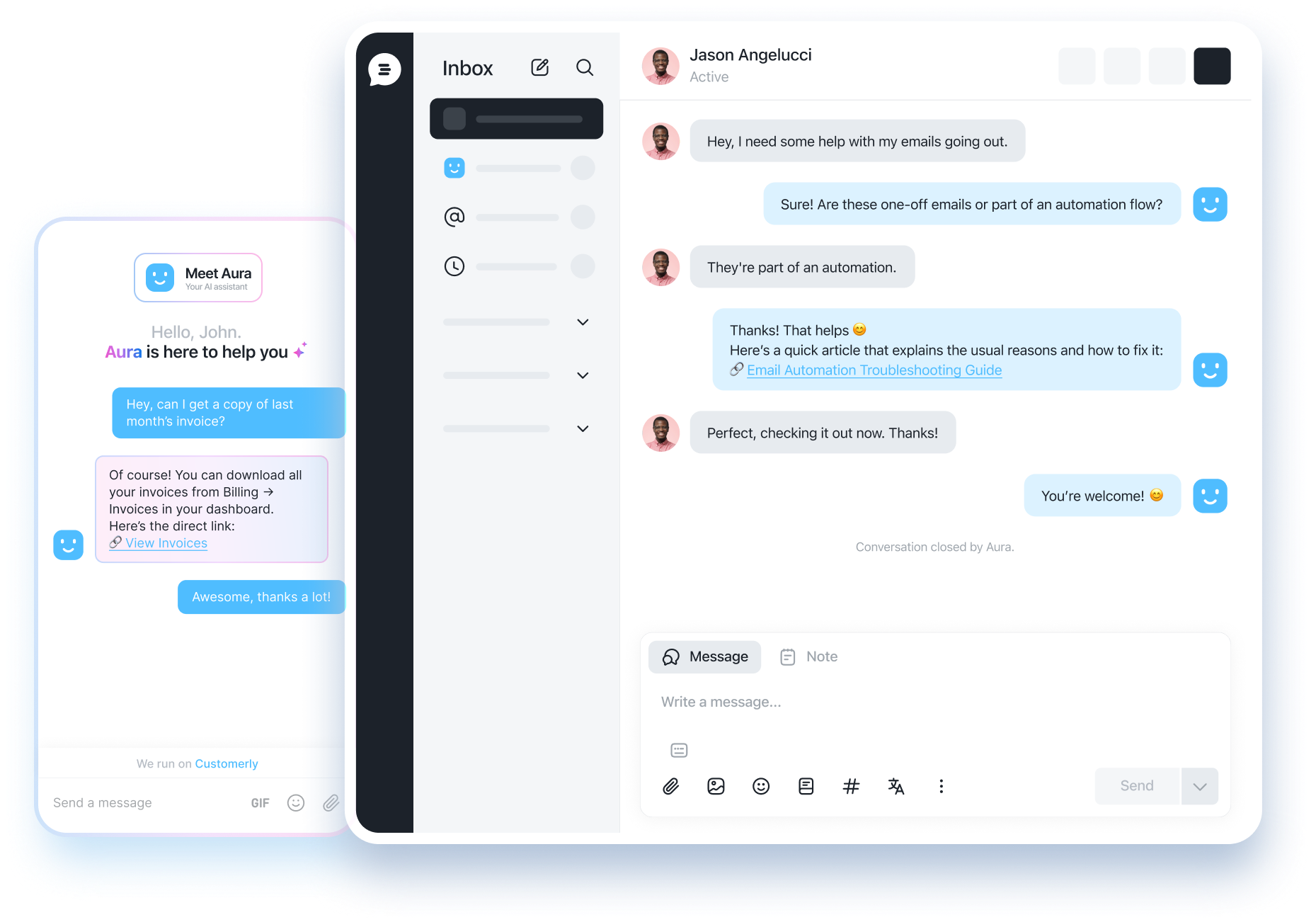
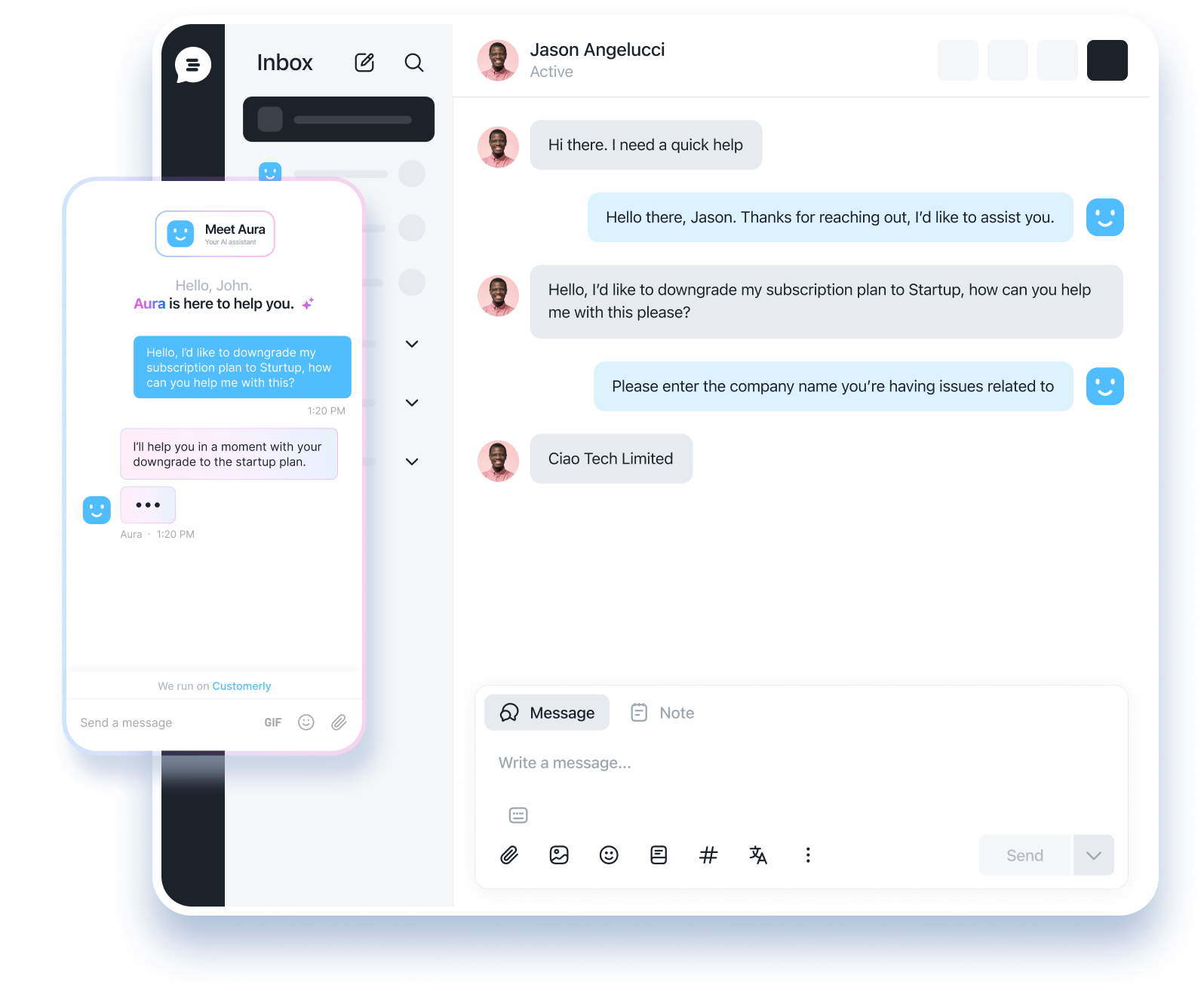
Social listening is the process of monitoring digital conversations to understand what customers are saying about a brand online.
Definition
Social listening is the process of monitoring digital conversations to understand what customers are saying about a brand and industry online. It's not just about tracking metrics, but about gaiving insights into customer sentiments and finding ways to engage with them. Social listening allows brands to track, analyze, and respond to conversations about them on social media. It's a crucial component of audience research.
Usage and Context
Social listening is used for market research, customer service, and engaging in conversations about a particular brand. Brands use social listening for reputation management, competitive comparison, and customer sentiment understanding. It's also used to detect trends, identify influencers, and understand customer behavior.
FAQ
What is the difference between social listening and social monitoring?
While both are important, social monitoring is about gathering data, while social listening is about analyzing that data for big picture insights.
How can a brand benefit from social listening?
Brands can use social listening to understand their audience, improve products, discover potential leads, and provide better customer service.
Related Software
Some popular social listening tools include Hootsuite, Brandwatch, Sprout Social, and BuzzSumo. These tools help brands track and analyze social media conversations.
Benefits
Social listening can help a brand improve customer service, discover potential leads, understand their audience, and improve products. It gives brands a chance to engage directly with customers and create a strong brand image.
Conclusion
In conclusion, social listening is a powerful tool for any brand that wants to understand and engage with their customers. It provides valuable insights into customer sentiment, and allows brands to proactively address customer concerns and needs.
Related Terms
SaaS (Software as a Service)
SaaS is a cloud computing model that delivers applications over the internet, eliminating the need for local installation and maintenance.
SaaS Customer Lifecycle
The SaaS Customer Lifecycle refers to the customer's journey with a SaaS company, from acquisition to referral. It's crucial for customer engagement strategies.
SAL (Sales Accepted Lead)
A Sales Accepted Lead (SAL) is a prospective customer vetted by marketing and sales teams and considered ready for the next sales stage.
Sales Automation
Sales Automation is a process leveraging software to streamline and automate routine sales tasks, improving efficiency and productivity.
Sales Channel
A sales channel is the path a product or service follows from the producer to the end user. It is crucial in reaching target customers and expanding market reach.
Sales Funnel
A sales funnel is a model that illustrates the journey of a customer towards the purchase of a product or service.
Sales Funnel Integration
Sales Funnel Integration is the process of combining and optimizing marketing and sales strategies to guide leads to becoming loyal customers.
Sales Marketing
Sales Marketing is a business strategy that integrates sales techniques with marketing strategies to effectively communicate the benefits of a product or service to potential customers.
Sales Pitch
A sales pitch is a persuasive explanation of a product's or service's value, aimed at initiating and closing a sale.