

User Interface
A comprehensive explanation of 'User Interface', its definition, usage, related software, benefits, and FAQs.
Definition
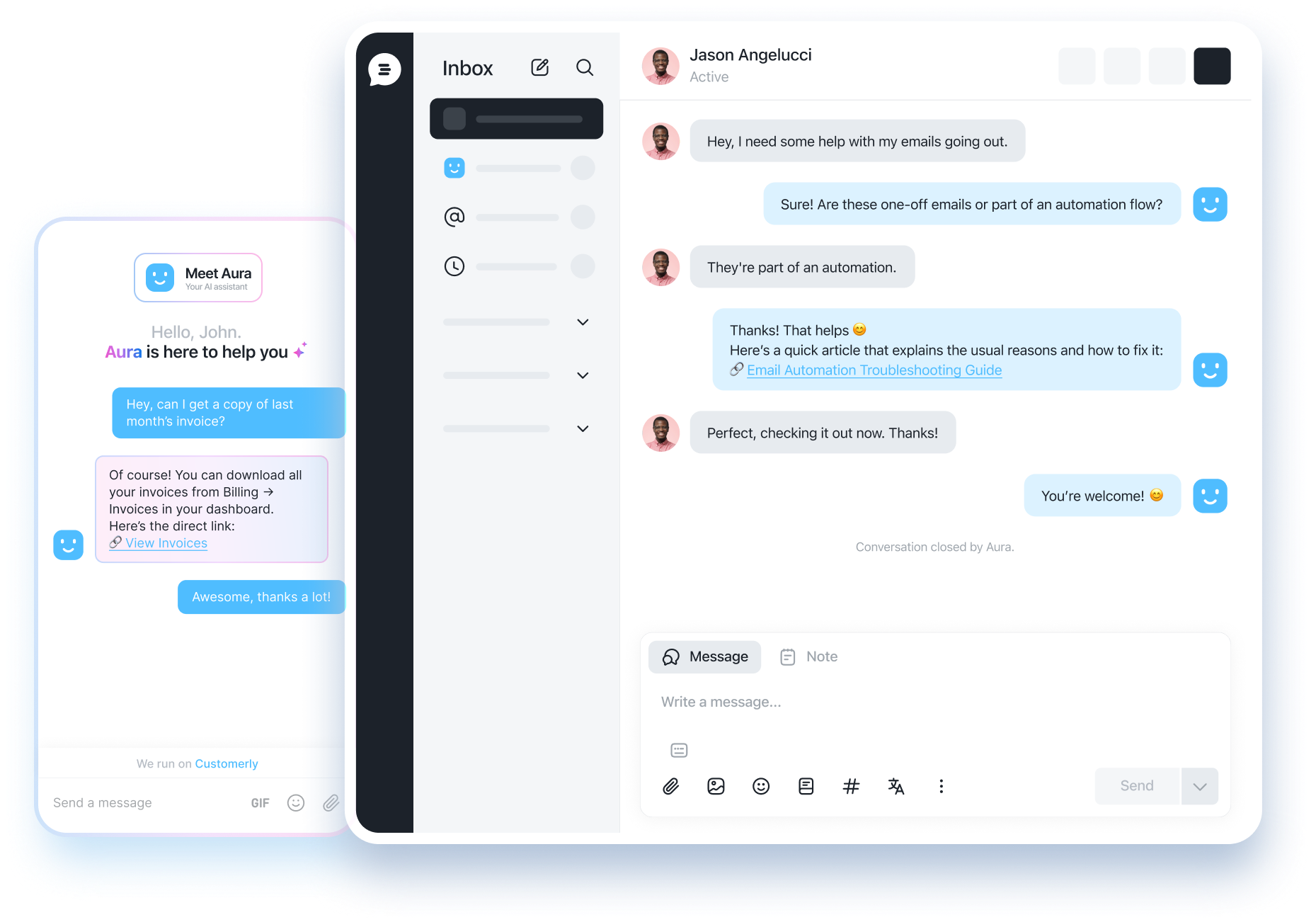
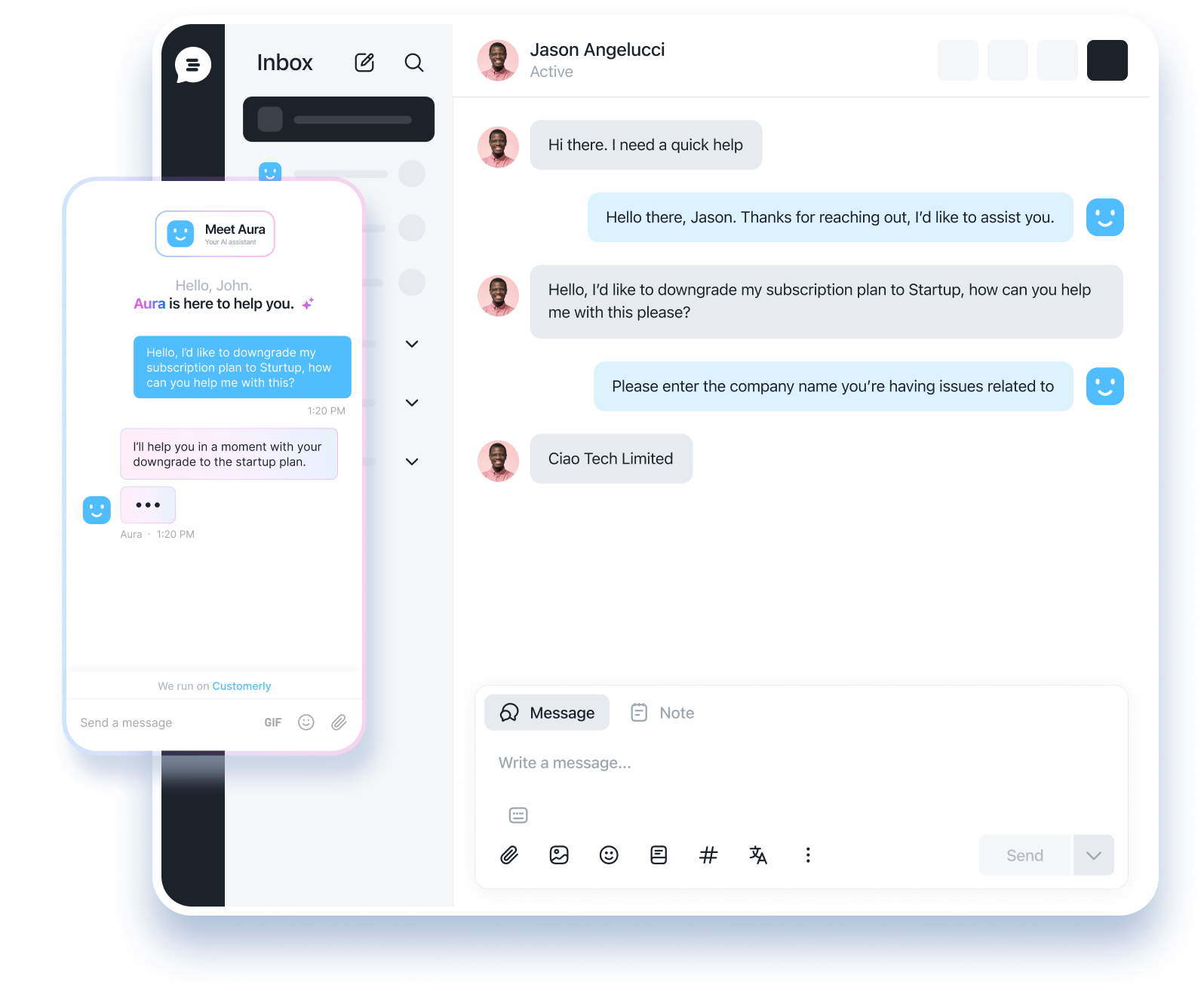
User Interface (UI) refers to the part of a software application, website, or device that users interact with. It includes everything that is designed into an information device with which a user may interact. This can include display screens, keyboards, a mouse, the appearance of a desktop, illuminated characters, help messages, and the response to user activity.
Usage and Context
The User Interface is a critical part of any software or hardware. It acts as a bridge between the user and the system, allowing them to control and operate the software or hardware effectively. The design of a user interface significantly affects the overall user experience (UX). In the digital world, UI is typically a combination of graphical icons, menus, and a touchscreen, making it easy for the user to interact with a device.
FAQ
What is the importance of a good User Interface?
A good UI design can lead to an improved user experience. It helps users interact with a system or application intuitively, making it easy for them to complete tasks and achieve their objectives.
What are the elements of User Interface?
Common elements of a User Interface include input controls (like buttons, text fields, checkboxes, and drop-down lists), navigational components (like breadcrumbs, sliders, search fields, and pagination), and informational components (like tooltips, icons, progress bars, and notifications).
Related Software
There are several software tools used for designing and developing user interfaces, such as Adobe XD, Sketch, Figma, and InVision.
Benefits
A well-designed User Interface can lead to higher user engagement, improved user satisfaction, and increased efficiency in task completion. It can also reduce the number of errors made by users and the need for extensive training.
Conclusion
In conclusion, User Interface is a crucial aspect of any digital product. It plays a vital role in how users perceive and use a product, impacting their overall satisfaction and the product's success.
Related Terms
UC (Unified Communications)
Unified Communications (UC) is a system that integrates multiple communication methods within a business, enhancing communication, collaboration, and productivity.
UCaaS (Unified Communications as a Service)
UCaaS (Unified Communications as a Service) is a cloud-based communication solution that integrates various communication and collaboration tools.
UI/UX (User Interface/User Experience)
Discover the meaning of UI/UX, its usage and context, related software, benefits, and more. Understand why good UI/UX design is crucial for digital products.
Unique Selling Proposition (USP)
A Unique Selling Proposition (USP) is a distinct advantage that sets a product or service apart from its competitors. It is a key element in marketing strategies.
Unique Value Proposition (UVP)
Unique Value Proposition (UVP) is a clear statement that highlights the unique benefits and distinctiveness of a business, product, or service.
Unsubscribe
Unsubscribe refers to the process of opting out from receiving emails or other forms of digital communication from a particular source.
Upsell Conversion Rate
Upsell Conversion Rate is a KPI that measures the effectiveness of upselling strategies. It's used to increase average order value and boost revenue.
Upsell/Cross-Sell Automation
Upsell/Cross-Sell Automation is the use of technology to automatically suggest additional or complementary products to customers, thereby increasing sales and revenue.
User Acquisition
User Acquisition is a vital digital marketing strategy that involves attracting new users to a platform, product, or service to drive business growth.