

Interactive Tools
Learn about interactive tools - software or applications that enhance user engagement and productivity in various fields.
Definition
Interactive tools are software or applications that facilitate active user engagement and participation. These tools are designed to enhance learning, communication, and productivity by allowing users to manipulate data, explore different scenarios, and actively participate in the process. They are commonly used in various fields, including education, business, design, and technology.
Usage and Context
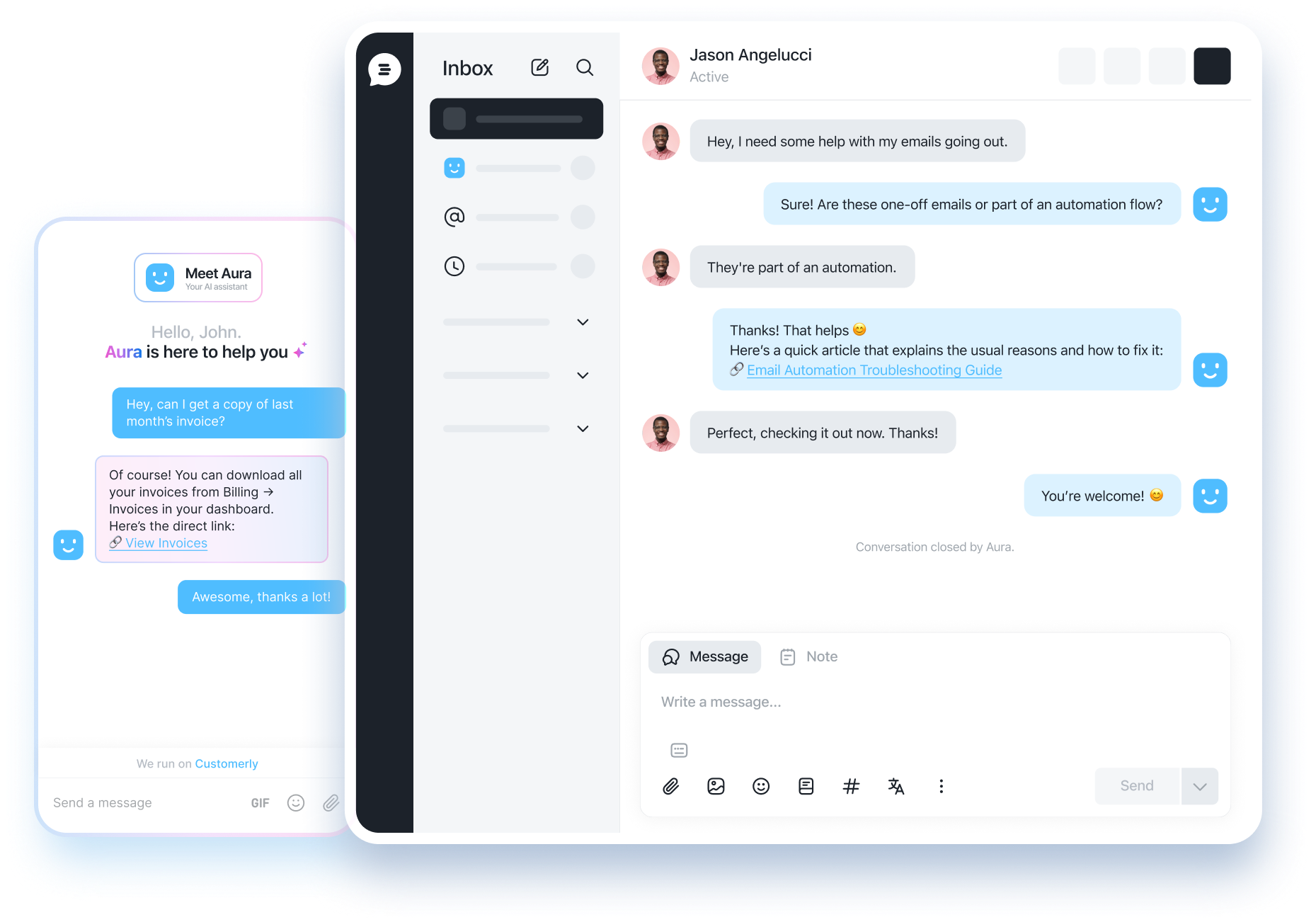
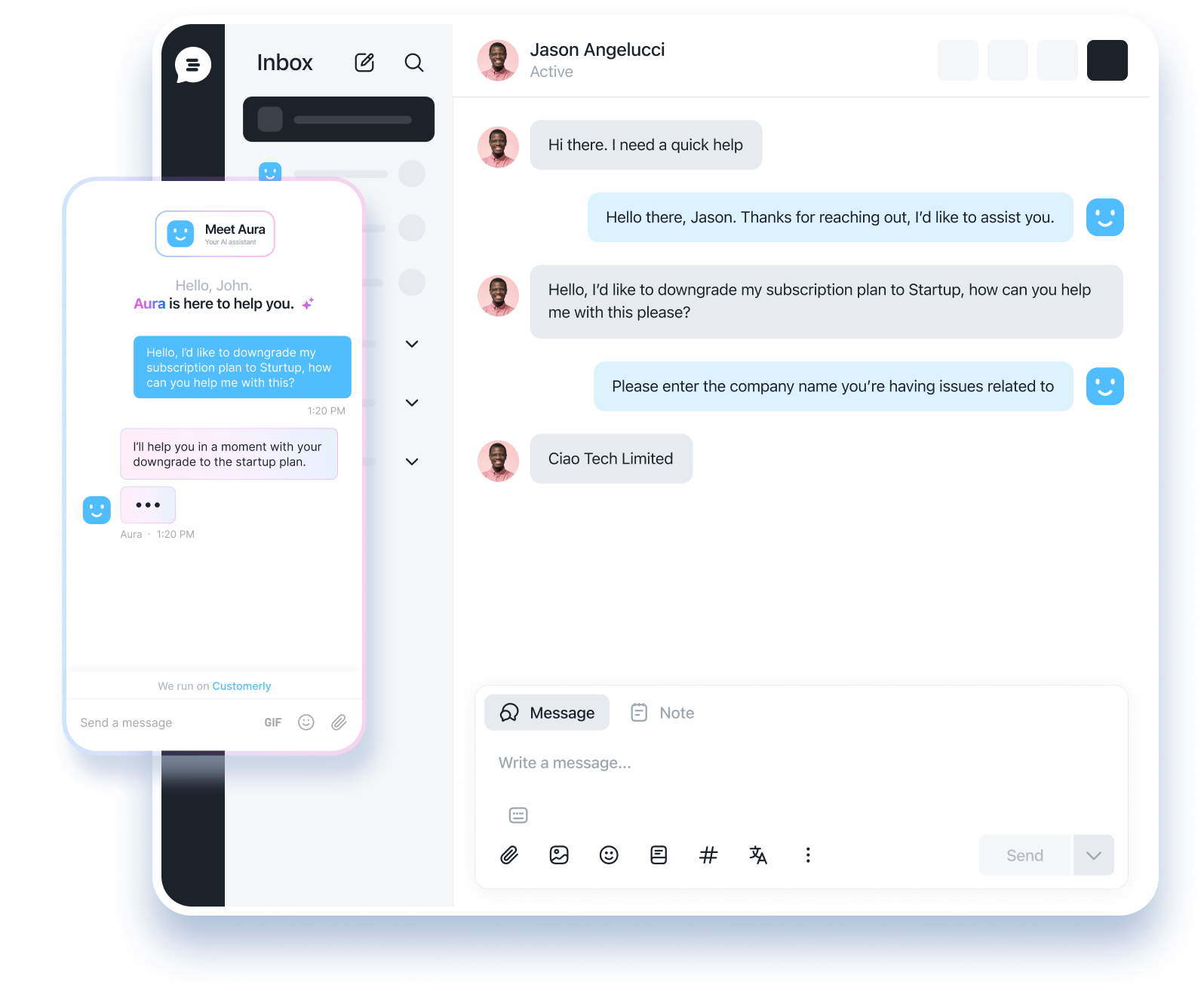
Interactive tools can be used in a variety of contexts. For example, in education, teachers use interactive tools like digital whiteboards and learning platforms to encourage student participation and enhance learning outcomes. In business, interactive tools like collaborative software and project management tools are used to streamline workflows, improve team collaboration, and increase productivity. In design, interactive tools like prototyping software and user interface design tools are used to create interactive prototypes and designs.
FAQ
- What are some examples of interactive tools? Examples of interactive tools include digital whiteboards, collaborative software, project management tools, prototyping software, and user interface design tools.
- Why are interactive tools important? Interactive tools are important because they enhance learning, communication, and productivity by allowing users to actively participate in the process.
Related Software
There are numerous software available that offer interactive tools. Some of the popular ones include Google Docs for collaborative document editing, Trello for project management, Adobe XD for prototyping, and Zoom for video conferencing.
Benefits
Interactive tools offer numerous benefits. They enhance user engagement, improve learning outcomes, streamline workflows, facilitate team collaboration, and increase productivity. Additionally, they can also help in reducing errors, improving decision-making, and fostering innovation.
Conclusion
In conclusion, interactive tools are a crucial part of today's digital landscape. They facilitate active user engagement and participation, enhancing learning, communication, and productivity. With a variety of interactive tools available, users can choose the ones that best fit their needs.
Related Terms
IaaS (Infrastructure as a Service)
IaaS, or Infrastructure as a Service, is a cloud computing model that provides virtualized computing resources over the internet.
ICR (Intelligent Call Routing)
ICR (Intelligent Call Routing) is a technology that routes phone calls to the most appropriate agent or department within a business.
ID&V (Identification and Verification)
ID&V (Identification and Verification) is a process used primarily in the financial and telecommunications sectors to confirm a customer's identity, reducing the risk of fraud.
IM (Instant Messaging)
Instant Messaging (IM) is a real-time communication tool used for exchanging text messages, files, and conducting voice and video calls over the internet.
Inbound Call Center
An inbound call center is a dedicated space where calls are received by a company, commonly for customer service purposes.
Inbound Call Script
An inbound call script is a pre-defined guideline used by call center agents to manage inbound calls effectively, ensuring consistent and accurate information.
Inbound Marketing
Inbound marketing is a business methodology that attracts customers by creating valuable content and experiences tailored to them.
Inbound Marketing Automation
Inbound Marketing Automation refers to the use of software to automate inbound marketing tasks, enhancing efficiency and personalization.
Inbound Marketing Manager
An Inbound Marketing Manager is responsible for implementing inbound marketing strategies to attract potential customers towards a company's products or services.